
TCI News
TCI: Shelter Management & Damage and Needs Assessment Training

#Providenciales, July 30, 2018 – Turks and Caicos – Devastation caused by natural disasters in the Turks and Caicos Islands in past years,  including the most recent impacts of Hurricanes Irma and Maria in September 2017, has highlighted the critical need for the Turks and Caicos Islands to be able to rapidly and efficiently respond to emergency/disaster events.
In response to this need, the DDME will be conducting a series of two-day trainings in Shelter Management and Damage and Needs Assessment in Providenciales, Grand Turk, North Caicos and South Caicos during the month of August 2018. In addition to this, the DDME will also be supporting the TCI Red Cross as they seek to conduct Community Emergency Response Team (CERT) training throughout the islands.
The Shelter Management course is a comprehensive programme which will include both classroom activities and simulation exercises. Participants will learn of the Shelter Manager’s role and responsibilities; how to setup the shelter, the importance of developing and maintaining a good Shelter Management team, the range of shelter activities that they are expected to participate in, the contents of a shelter and how to keep records and maintain the rules of the shelter.
In addition, participants will also receive some background information on the range of threats that would prompt the opening of a shelter, such as hurricanes, floods, earthquakes and fires displacing a large resident population. On completion of the training, it is anticipated that the capacity with regards to Shelter Management within the Turks and Caicos will be significantly enhanced. Trained persons will be able to operate an efficient shelter, where all persons can co-exist and receive the care and attention they are seeking.
Upon completion of the Damage and Needs Assessment Course, participants will be better able to rapidly and accurately assess the damage caused by a disaster as well as identify the needs for immediate assistance in relief and reconstruction. The objectives of damage and needs assessments are to determine:
- Nature and extent of a disaster;
- Damage and secondary threats;
- Needs of the population;
- Resource availability and local response capacity;
- Options for relief assistance, long-term recovery and development;
- Needs for international assistance.
 The series of training is expected to draw persons from various agencies; governmental and non-governmental. Persons will be awarded with a certificate upon successful completion of the training and will be called upon as volunteers should their assistance be required in an emergency.
As part of the government’s coordinated effort to enhance emergency planning and strengthen the nation’s overall level of preparedness, the DDME will continue to employ every effort to enhance the capacity of the Turks and Caicos Islands.
See the training schedule below:
Training Dates:
| ISLAND/VENUE | DAMAGE ASSESSMENT TRAININGS | SHELTER MANAGEMENT
TRAINING |
CERT TRAINING
(in collaboration with red cross) |
| Providenciales – DDME Office | 1 – 2 August 2018 | 13 – 14 August 2018 | 23 – 24 August 2018 |
| Grand Turk/Salt Cay – DDME Office | 9 – 10 August 2018 | 16 – 17 August 2018 | 09 – 10 August 2018 |
| North/Middle Caicos – District Commissioner’s Office (North Caicos) | 9 – 10 August 2018 | 20 – 21 August 2018 | 27 – 28 July 2018 |
| South Caicos – District Commissioner’s Office | 6 – 7 August 2018 | 23 – 24 August 2018 | 28 – 29 August 2018 |

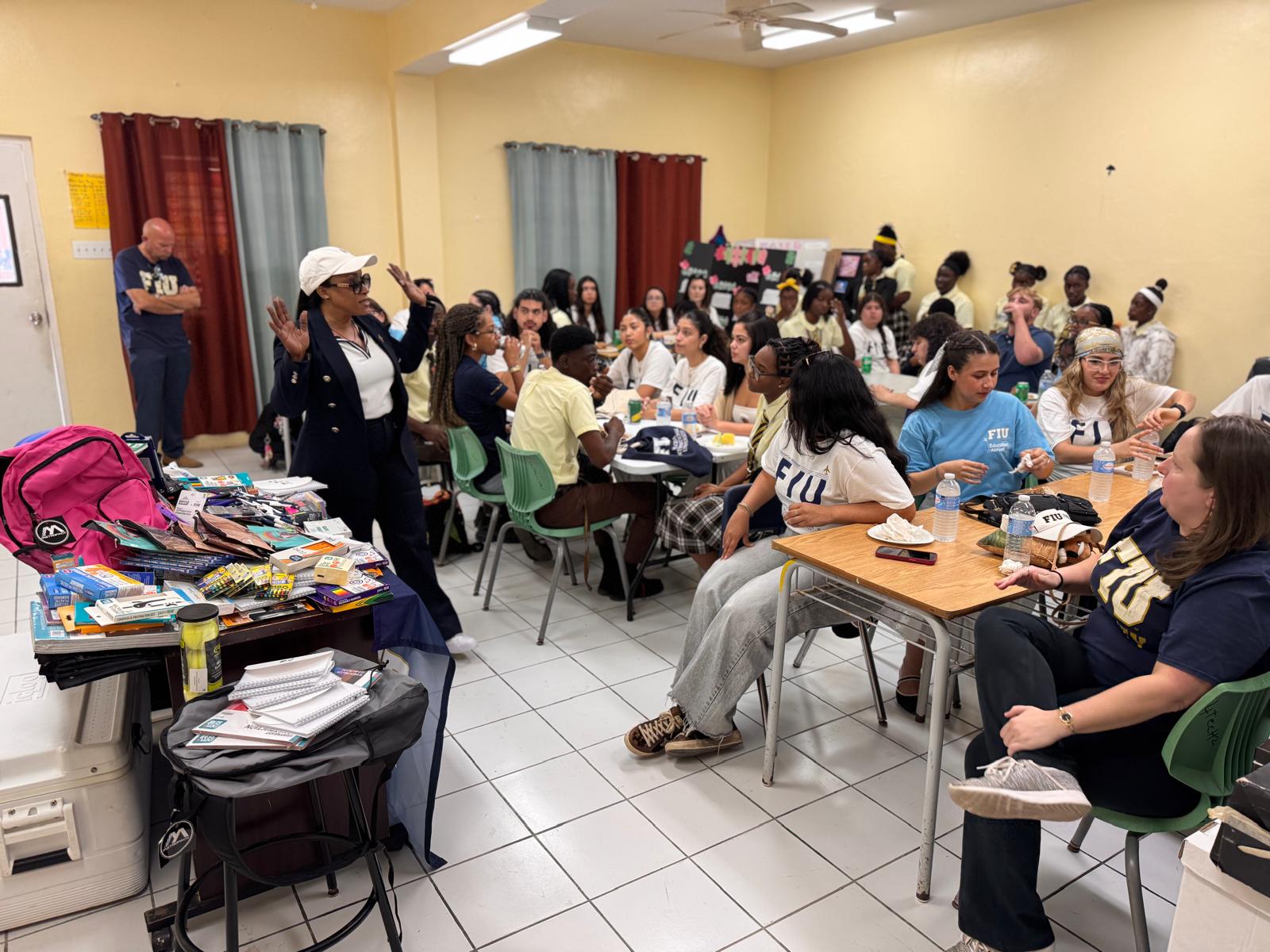
PROVIDENCIALES, Turks & Caicos Islands: — Beaches Turks and Caicos and Florida International University’s (FIU) Chaplin School of Hospitality & Tourism Management have joined forces to inspire the next generation of hospitality leaders in the Turks and Caicos Islands, partnering with Clement Howell High School and Oseta Jolly Primary School during FIU’s recent education abroad visit.
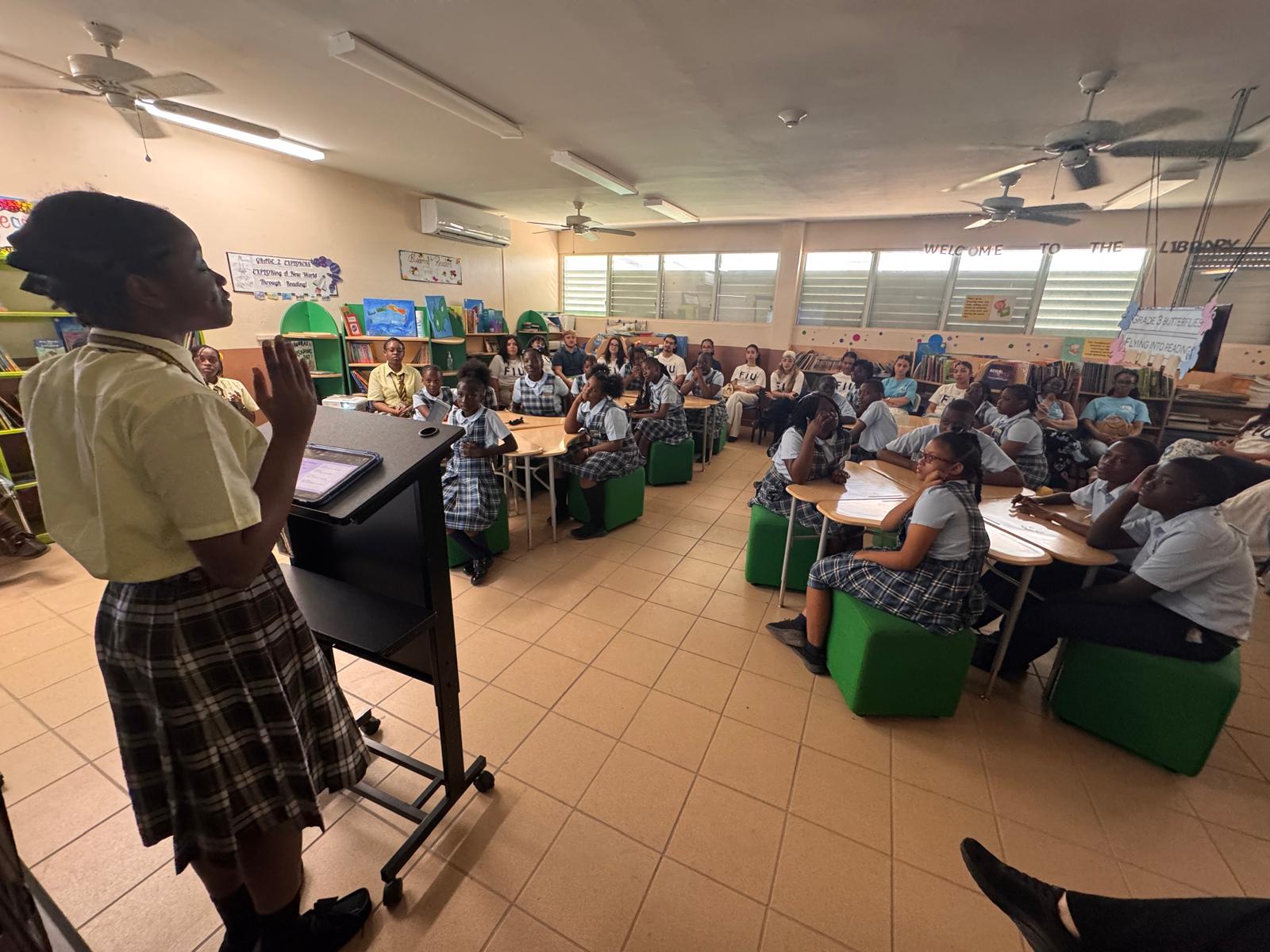
BTC & FIU training with Clement Howell High and Oseta Jolly Primary student leaders
As part of FIU’s Education Abroad programme, a delegation from the Chaplin School of Hospitality & Tourism Management travelled to Providenciales to engage students in interactive sessions on careers in tourism, leadership and customer service. Hosted by Beaches Turks and Caicos, the programme blended classroom-style presentations with on-resort exposure, underscoring the resort’s long-standing commitment to youth development and training across the islands. FIU, consistently ranked among the top hospitality management schools in the United States, used the visit to highlight international study opportunities and the global reach of a hospitality degree.
Beaches Turks and Caicos, a flagship all-inclusive family resort on Providenciales, has developed a reputation for structured training and mentorship, frequently opening its doors to local students for hands-on learning and industry immersion. This new collaboration with FIU’s Chaplin School builds on that foundation by linking local classrooms directly to a world-recognised university programme, giving students early exposure to academic pathways and professional standards in tourism.
At Clement Howell High School, FIU faculty, students and Beaches representatives met with aspiring hospitality professionals in a series of workshops and talks. Sessions focused on leadership, guest experience, innovation in tourism and the importance of regulatory standards and sustainable practices for a destination whose economy is anchored in travel and hospitality. Students also heard about internship pipelines, scholarship options and the practical steps required to transition from secondary school to university-level studies in hospitality management.
FIU alumna and Deputy Governor of the Turks and Caicos Islands, Anya Williams, delivered an energizing address, encouraging students to see themselves as future global leaders. “To build strong networks with the visiting FIU team, we have to build relationships now which will open doors to study overseas as well as mentorship and career opportunities.” Williams also highlighted how her own journey, including her time at FIU, helped shape her path to national leadership and underscored the value of combining academic excellence with service to country.
The delegation extended its outreach to Oseta Jolly Primary School. There, Clement Howell, FIU and Beaches volunteers tailored activities for younger students, introducing them to basic leadership skills. The sessions reinforced values already central to the school—respect, cleanliness and excellence.
Minister of Education, Youth, Sports and Social Services, Rachel Taylor, praised the collaboration, noting that strategic partnerships with world-class institutions are vital to aligning the national education agenda with the realities of a tourism-driven economy. She commended Beaches Turks and Caicos and FIU for investing time and resources in local students and said she looks forward to continued collaboration that will expand access to training, scholarships and international exposure for young Turks and Caicos Islanders. Taylor also emphasized that initiatives like this complement government-backed hospitality training efforts already underway with industry partners across the islands.
General Manager of Beaches Turks and Caicos, Deryk Meany, reaffirmed the resort’s commitment to developing local talent and supporting the wider community. He noted that the success of the Turks and Caicos tourism product depends on a strong developmental programme of well-trained, passionate professionals who understand both global standards and local culture.
News
50 Years of Ministerial Government: Cabinet Moves to Mark Milestone Rooted in 1976 Constitution
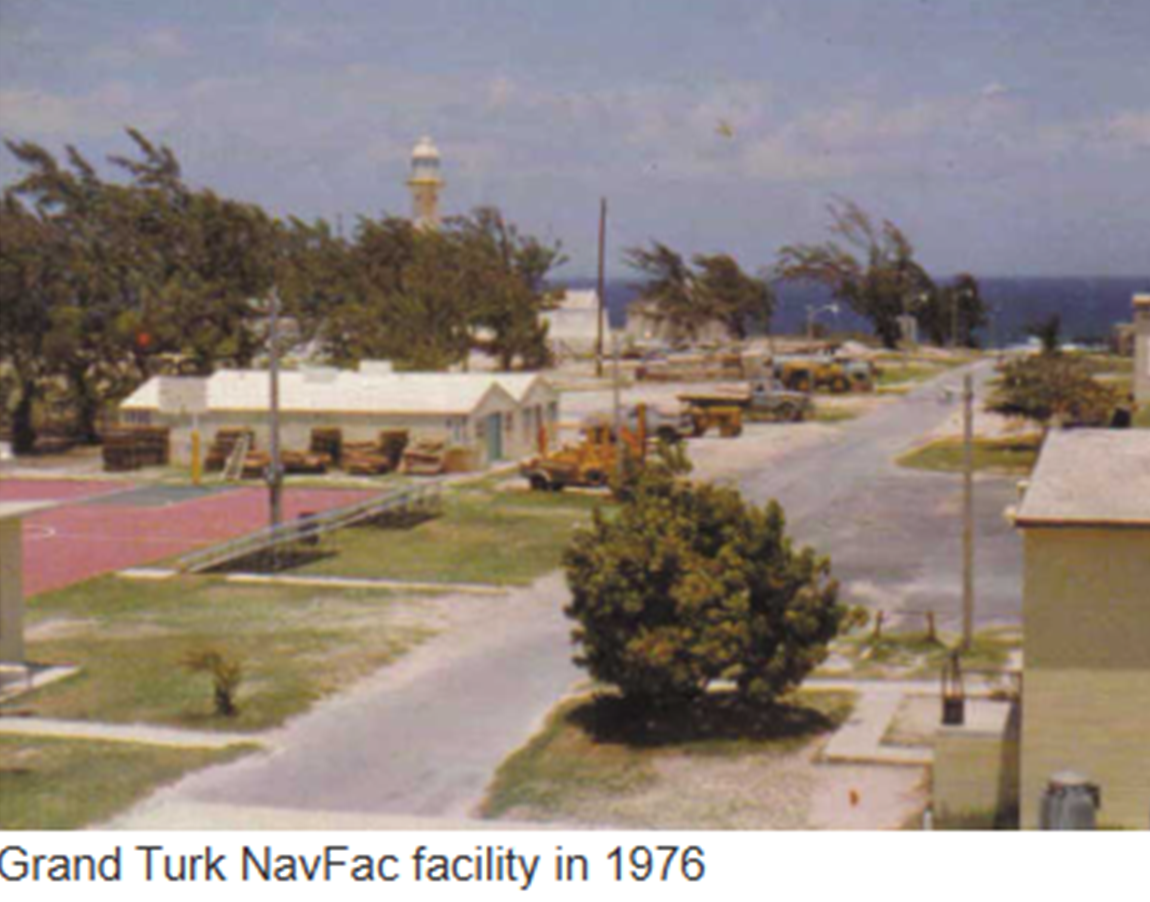
Turks and Caicos, March 30, 2026 – The Turks and Caicos Islands is preparing to mark a major political milestone, with Cabinet approving the establishment of a National Commemorative Committee to celebrate 50 years of ministerial government, a system first introduced under the 1976 Constitution.
The decision, confirmed in the February 10 Post Cabinet statement, signals a year of reflection on a governance model that fundamentally reshaped how the country is run — shifting from direct colonial administration toward locally led political leadership.
That shift was formalized in the Turks and Caicos Islands Constitution Order 1976, which laid the legal foundation for ministerial government and introduced a structured Executive and Legislative system.
At its core, the 1976 Constitution established an Executive Council, bringing together:
- a Governor,
- a Chief Minister elected by members of the Legislative Council,
- and Ministers appointed to assist in governing the Islands.
A Very Different Government Back Then
If today’s Cabinet feels crowded, the 1976 version would have seemed almost unbelievable. There were just three Ministers serving alongside the Chief Minister — a tight, compact leadership team responsible for the affairs of an entire country. No sprawling list of ministries, no long roster of portfolios — just a handful of individuals carrying the weight of governance.
Becoming a Minister wasn’t a direct vote of the people either. You first had to win a seat in the Legislative Council, and from there, the Chief Minister would recommend who should serve. The Governor then made the appointments. In other words, political trust and alignment mattered just as much as public support — and ultimate authority still rested above the local leadership.
And as for job security? There wasn’t much of it. Ministers served without fixed terms and could be removed if they lost their seat, resigned, or if the Governor revoked their appointment. Even the Chief Minister could be ousted through a vote of no confidence. Add to that the basic requirements — being at least 21, a British subject, and meeting residency rules — and it’s clear that ministerial government in 1976 was not only smaller, but far more tightly controlled.
This marked the first time elected representatives were formally given defined roles in the administration of national affairs.
Under the Constitution, the Governor retained overarching authority, but was required in many instances to act on the advice of the Executive Council, particularly in shaping policy and overseeing government operations.
The Chief Minister, meanwhile, was positioned as the central political leader, responsible for directing government business and advising on the appointment of Ministers.
Importantly, the Constitution also allowed for the assignment of responsibilities to Ministers, giving them oversight of specific areas of government — a structure that remains at the heart of today’s Cabinet system.
Section 13 of the Order made clear that Ministers could be assigned responsibility for the administration of departments or government business, embedding accountability and functional governance into the system.
The Legislative Council, established alongside the Executive, provided the law-making body, with elected and appointed members participating in debates, passing legislation, and representing the interests of the Islands.
Together, these provisions created the framework for what is now recognized as ministerial government — a hybrid system balancing local political leadership with constitutional oversight by the Governor.
The explanatory note of the 1976 Order describes it as introducing “new provisions for the Government of the Turks and Caicos Islands,” including the creation of a Legislative Council with elected members and Ministers appointed on the advice of the Chief Minister.
Fifty years on, that structure has evolved through subsequent constitutional changes, but its foundation remains rooted in the 1976 framework.
Cabinet’s decision to establish a commemorative committee suggests that the anniversary will not only celebrate political progress, but also invite reflection on how effectively the system has delivered on its promise of representation, accountability, and governance.
As the Islands approach this Golden Jubilee, attention is likely to turn not only to the achievements of ministerial government, but also to the ongoing question of how the system continues to serve a modern and rapidly developing Turks and Caicos Islands.
Developed by Deandrea Hamilton • with ChatGPT (AI) • edited by Magnetic Media.

Turks and Caicos, March 30, 2026 – The Turks and Caicos Islands Government has signaled changes to its tourism funding framework, with Cabinet approving draft amendments to the Destination Management Fee Act 2023.
The decision was confirmed in the Post Cabinet statement following the February 5 meeting, chaired by Governor Dileeni Daniel- Selvaratnam, where members agreed to move forward with revisions to the law governing the collection and administration of the fee.
The Destination Management Fee, introduced in 2023, is applied to travelers entering the country and is embedded within the cost of travel. The charge was designed to support tourism-related development, including marketing, infrastructure, and sustainability initiatives.
At the time of its introduction, the fee was linked to the establishment of a Destination Management and Marketing Organisation (DMMO), which was expected to coordinate tourism strategy and enhance the visitor experience.
However, recent developments have shifted that landscape.
The DMMO has since been discontinued, raising new questions about how funds generated through the fee are being managed and what structure will now guide tourism development efforts.
The Cabinet note does not outline what specific changes are being proposed under the amended legislation.
It also does not indicate whether adjustments will be made to:
- who pays the fee,
- how it is collected, or
- how the revenue is allocated and overseen.
The move to amend the law comes amid broader government efforts to strengthen revenue collection and compliance, including updates provided to Cabinet on the work of the Drag-Net Steering Committee — a multi-agency initiative focused on improving government revenue systems.
The lack of detail surrounding the amendments leaves several key questions unanswered, particularly given the fee’s direct impact on both visitors and residents and its role in supporting the country’s tourism economy.
Any changes to the Act would require further legislative steps, including presentation to the House of Assembly, before taking effect.
For now, the Cabinet’s approval signals that the government is moving to revise a policy that is already in force — but without yet disclosing how those revisions will alter the current system.
As tourism remains the backbone of the Turks and Caicos Islands economy, clarity on the future of the Destination Management Fee — and the framework it supports — is expected to be closely watched in the weeks ahead.
Developed by Deandrea Hamilton • with ChatGPT (AI) • edited by Magnetic Media.
Photo Credit: TCIAA





-

 News1 week ago
Password to Paradise Radio Remotes at Beaches Turks & Caicos continue to highlight the TCI as the preferred Caribbean destination
-
 News1 week ago
Beaches Turks & Caicos adds four new PADI Dive Instructors to the cadre of professionals in the watersports department
-
 News1 week ago
Beaches Turks & Caicos shares fine dining experiences to high school students in Providenciales
-

 Bahamas News7 days ago
Bahamasair Backs Surge as Bahamians Flood South Florida for V.J. Edgecombe Showdown
-
 News7 days ago
50 Years of Ministerial Government: Cabinet Moves to Mark Milestone Rooted in 1976 Constitution
-

 News7 days ago
Fuel Costs Rise Again as Pelican Energy Warns of Global Pressures
-

 News7 days ago
Government Moves to Amend Destination Management Fee Law
-

 News7 days ago
Flow TCI Empowers Local Communities with ‘Project EmpowerHER’