
Bahamas News
Labour Minister says there is ‘excellent news’ ahead for GB in terms of employment

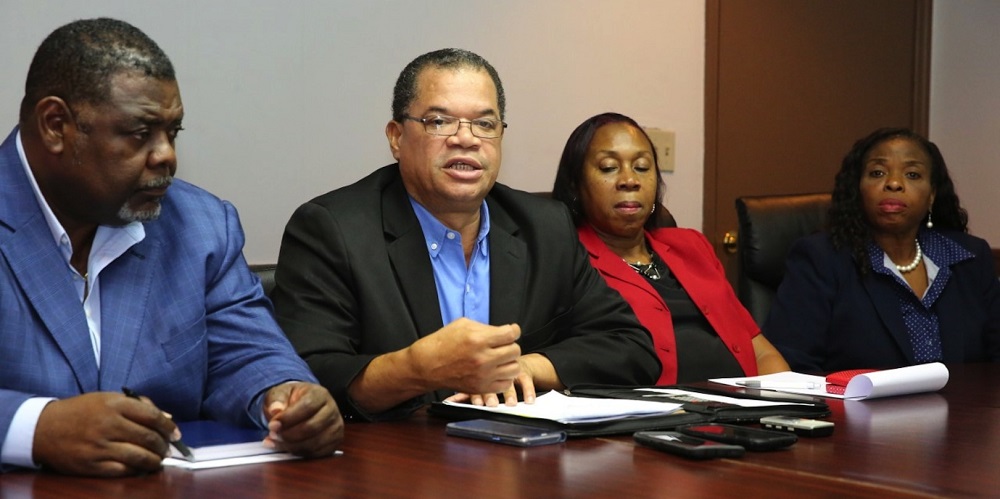
#Freeport, July 2, 2018 – Bahamas – In spite of the fact that the Grand Lucayan Resort is still closed, Grand Bahama is the only island that has shown a decrease in the unemployment rate, since the last report from the Department of Statistics.
“Based on the last report from the Department, it was revealed that there was a decrease in the unemployment rate here in Grand Bahama,” said  Minister of Labour, Senator the Hon. Dion Foulkes, who was in Grand Bahama on Thursday to discuss labour matters on the island.
He said generally speaking, the government and the labour department are pleased with what is taking place in Freeport, with respect to employment, adding: “We are pleased that the Industrial side of Grand Bahama is doing extremely well and that accounted for a decrease in the unemployment rate.”
The Minister pointed out that Bahama Rock increased its workforce in the past year by 10 percent and that across-the-board all of the industrial sector companies have been employing people. Incrementally, he said, that adds up to big numbers.
“Pharma Chem is about to embark on a multi-million dollar expansion of their services and this is expected to create permanent jobs. Additionally GIBC Digital, which launched its opening yesterday has already hired 25 persons and is expected to hire 25 more people. These are high-end paying jobs, and so we are very pleased about that.
“There are six other companies that we have already approved to establish an office here in Grand Bahama as a result of the Commercial Enterprise Bill. As a result of our Labor on the Blocks initiative, Clear Blue, which has a relationship with the GB Shipyard, has already trained 50 persons in hard skills for the shipyard and all 50 of them are now working at the shipyard.”
Minister Foulkes said he did not want to pre-empt announcements by the Prime Minister and by the Minister of State for Grand Bahama, but did say that there is excellent news with respect to employment in Grand Bahama in the coming months. “I would say that the government is very optimistic about Grand Bahama and what’s going to happen in Grand Bahama over the next several months,” said Minister Foulkes.
Minister Foulkes announced the appointment of John Pinder to the position of Acting Director of Labour.
“Mr. Pinder brings a wealth of experience in this area, having served as president of one of the largest unions – the BPSU in New Providence. By  training he is an Auditor. He brings a wealth of knowledge and experience on both sides of the fence, the employer side and the trade union side.
“I also want to thank Mr. Robert Farquharson, the former Director of Labour, who did an excellent job in advancing Labour Legislation, establishing the tripartite council nationally, and also strengthening the relationship between employers and employees throughout the country. He is now a senior officer in the Ministry.
Minister Foulkes also announced the appointment of Mrs. Janet Russell to the position of Assistant Director in the Department of Labour in Grand Bahama. Ms. Russell replaced Mr. Tyrone Gibson, who has since retired. “Mrs. Russell also has a lot of experience in the public service, having served in several ministries, and we are very happy to have her here in this new position in the Labour Department.
Minister Foulkes said that the Ministry of Labour intends to hold another ‘Labour on the Blocks’ in Grand Bahama sometime this year. He said that no dates have been fixed as yet, but added that it could be before the end of summer. However, when it is held it will take place in West Grand Bahama.
By Andrew Coakley (BIS)
Photo Caption: Minister of Labour, Senator the Hon. Dion Foulkes (centre) was in Grand Bahama on Thursday, June 28, 2018 to announce appointments in the Department and to give the latest statistics on employment in Grand Bahama. At left is John Pinder, who was recently appointed Acting Director of Labor. At right is Janet Russell, who was appointed to the position of Assistant Director in the Department of Labor in Grand Bahama.
(BIS Photo/Lisa Davis)

Bahamas News
Rosewood Exuma: A precedent-setting case for environmental law and future development in The Bahamas
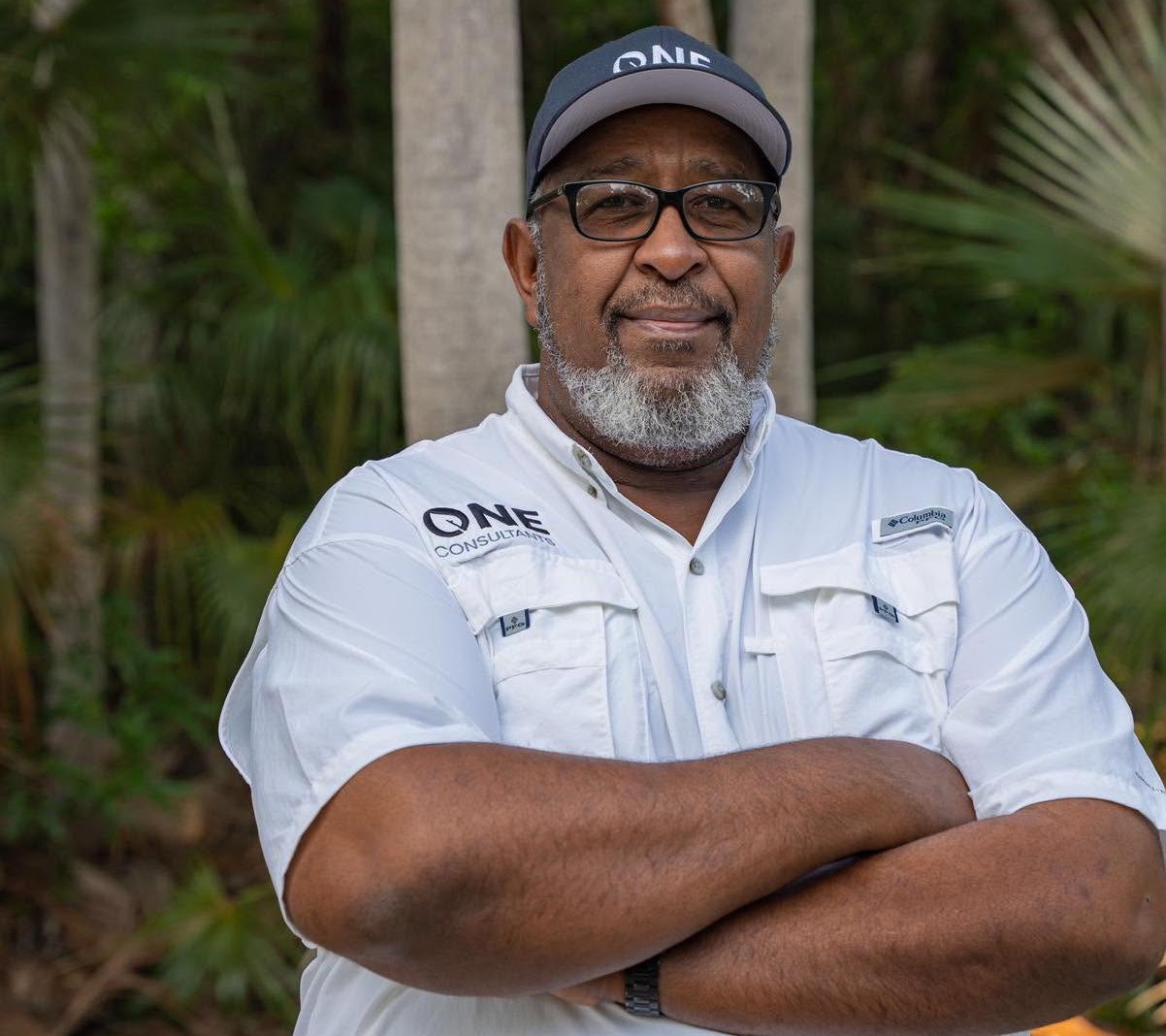
By Eric Carey, ONE Consultants, former Executive Director of the Bahamas National Trust.
We are facing an extraordinarily important moment in judicial history in The Bahamas as we await a decision on the trial of allegations in the Yntegra group’s Rosewood Exuma project.
As former Minister of the Environment, Romauld Ferreira, put it in the Supreme Court last week: “A lot is at stake…a great deal of what will be considered in this case sets the stage for what’s to come for future development in the country.”
In the trial of the judicial review of government approvals given to Yntegra for their Rosewood Exuma resort this week, we’ve heard technical arguments about failure to make key environmental documents like Yntegra’s Environmental Impact Assessment and Environmental Management Plan available to the public, failure of key documents to assess some of the most controversial aspects of the project, an unlawful consultation process, and a failure to conduct further consultation following major changes to the development.
Lawyers for Turtlegrass described how there was a “salami slicing” of the project into chunks as a way to circumvent the approvals process and disguise its full impact from public scrutiny. Only certain portions came before the public and key stakeholders like Turtlegrass and Over Yonder Cay for scrutiny, while some of the most controversial aspects did not. This is particularly problematic given what is at stake – the dredging of a beautiful Exuma bay, the North Bay, to transform it into an industrial shipping channel, complete with an enormous seawall, dock, back-of-house facilities and other industrial infrastructure.
It is unfortunate that it has had to come to this – an expensive judicial review process that calls out the government for falling down on its duties to protect the environment and follow the law – but it is important and the broader implications should not be overlooked. When Justice Leif Farquharson rules on this case, he’ll set a precedent that could echo in The Bahamas for years to come, one that answers the question: are the 2019 environmental laws that Ferreira took to parliament after many years of advocacy by environmentalists toothless tigers that are just for decoration – or are they capable of protecting the environment that we all depend on and the rights of those affected by projects to have a genuine say in them?
What is curious is that at the same time as these points are being raised in court as part of the judicial review, we are seeing personal attacks about Bob Coughlin – the person spearheading this legal action and test of environmental laws – by online trolls. Coughlin, an Exuma resident for almost a decade, has long been established as an environmental advocate and a passionate philanthropist – one who has donated almost $4 million to causes in The Bahamas since 2018, including millions to the organisation I once led, the Bahamas National Trust.
For reasons one can only speculate about, these trolls have been trying to make out all sorts of absurd things: that his legal action in support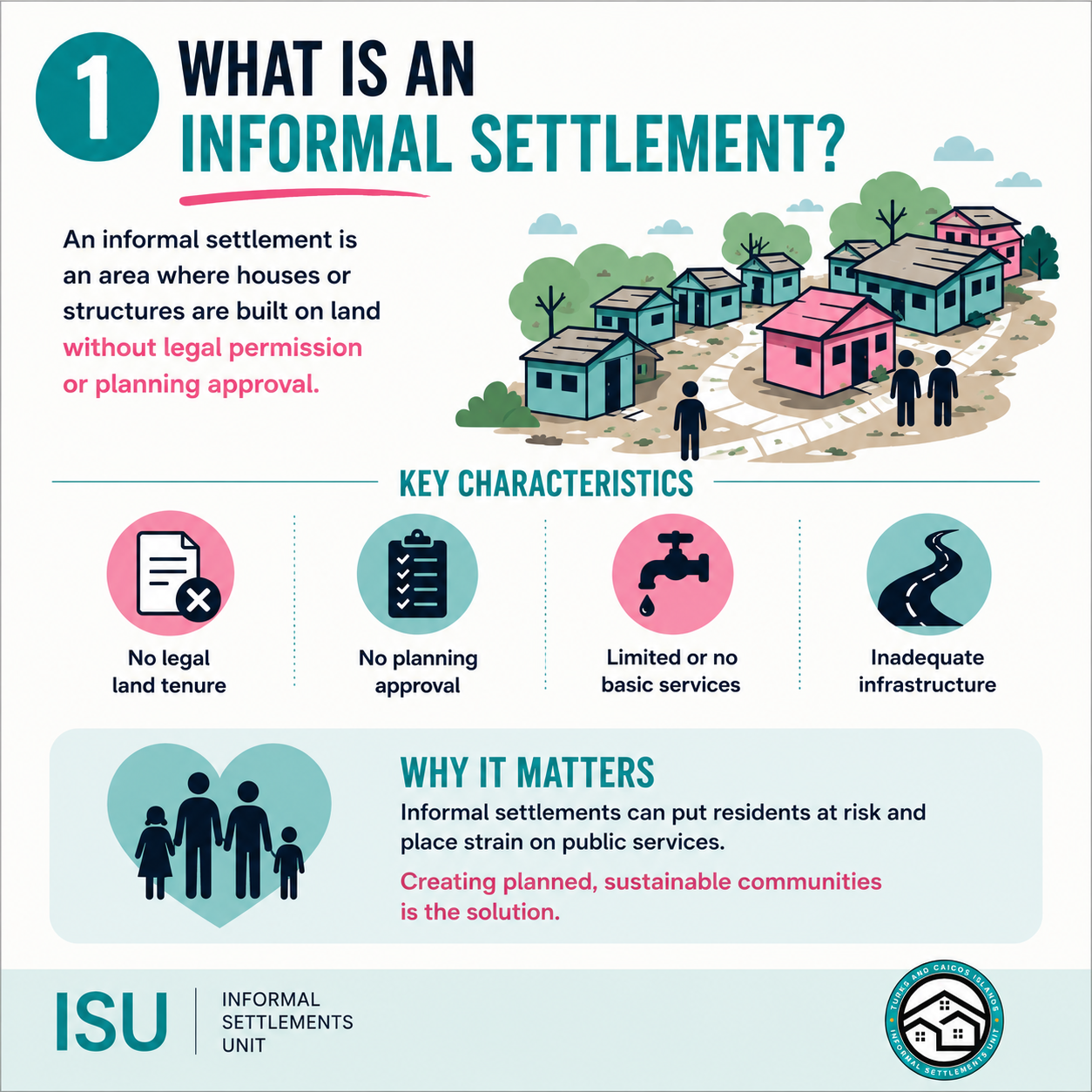 of environmental protection is a petty dispute born out of fears of competition. That Coughlin no longer even wants to pursue his eco-tourism project, when the reality is that he was forced to put it on hold because of the destructive environmental plans that are in dispute. That he is the only one who has an issue with this Rosewood Exuma resort, when in fact, neighbouring resort, Over Yonder Cay – one of the top rated resorts in the Caribbean – as well as the Save Exuma Alliance – consisting of most of the local islands and businesses in the Exuma area, and thousands of petition signers have expressed their concern with the project – over 9,000 to date. Most ironically, they claim, wrongly, that Coughlin received crown land for personal use, when in fact it is Yntegra who received crown land while having no development track record, when Coughlin instead bought his lease on Sampson Cay from a private owner.
The timing of these claims, in the week of the trial, suggest a patronising and cynical attempt to distract from the gravity of the case being heard, what it represents, and how important this decision is. With their simplistic, jingoistic and factually-dubious references to crown land, white foreigners, and the like – it’s not hard to imagine that those involved are engaged in a ploy to push the buttons of Bahamians who they apparently believe can be too easily distracted into ignoring the real issue here: that the government, has – in the words of those in the Supreme Court this week – “run roughshod” over environmental laws with its approvals for Yntegra’s Rosewood Exuma project and that this is truly a landmark case and the decision will have a long-lasting impact on future development. This is at a time when foreign direct investment (FDI) inflows into the Bahamian economy are forecast to increase by as much as two thirds over the next two years, according to the Inter-American Development Bank (IDB).
So I call on my fellow Bahamians to stay focused. This is not a story about one man – it is a story about the future we want for our country and whether we are willing to sacrifice our ability to demand environmental accountability in all developments moving forward. There is too much at stake to be thrown off the track by trolls.
As Ferreira says of the judicial review that now awaits Justice Leif Farquharson’s judgement: “This is the first set of litigation, serious litigation, that takes a deep dive into the Environmental Planning and Protection Act and the environmental impact assessment regulations…There’s a lot at stake here.”
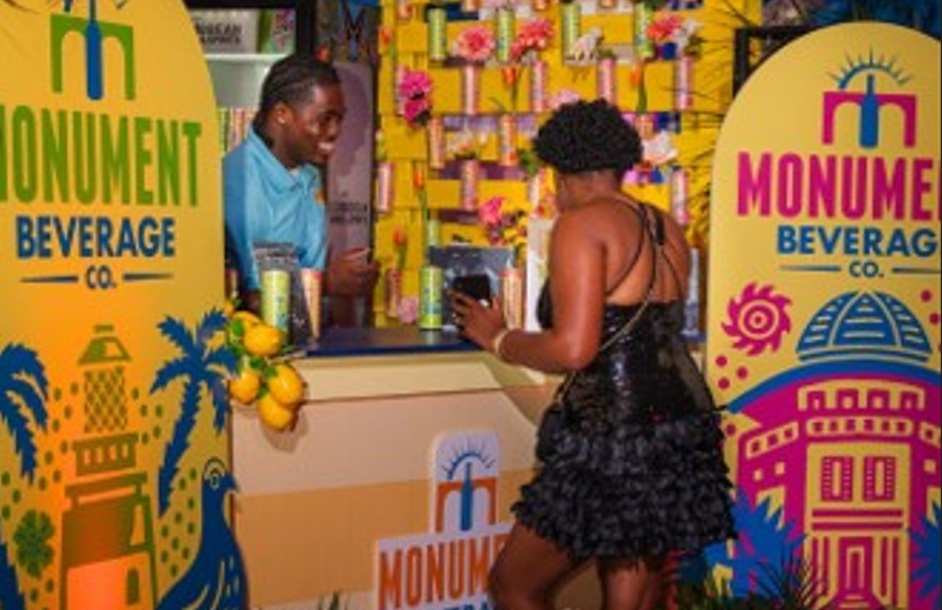
NASSAU, Bahamas — Caribbean Wines & Spirits (CWS), The Bahamas’ leading wine and spirits distributor, proudly supported Paradise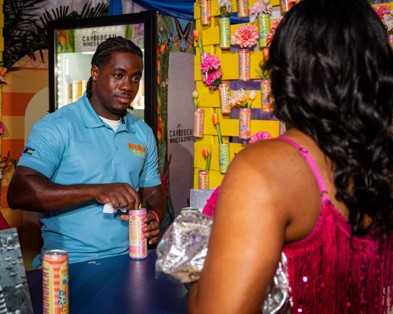 Plates, Hands for Hunger annual fundraiser with a flavorful offering of its newest product, Monument Beverage Co.
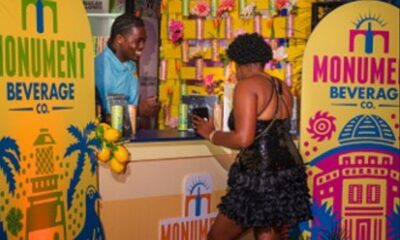
Monument, which launched this July and is available across six major islands, made its Paradise Plates debut. Guests enjoyed three bold flavors: Peach Passion, Ginger-Lime and Melon Fizz as they socialized throughout the evening.
Monument brand ambassadors engaged guests with knowledge on the ready-to-drink beverage’s unique taste and look. Many attendees were delighted to learn that Monument is 100% Bahamian-made and owned and enjoyed seeing the various national landmarks on the packaging.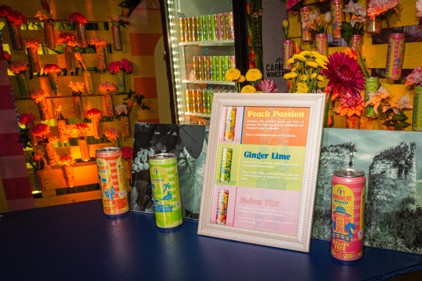
The booth was adorned with vibrant brand colors, striped arches, tropical florals and a photo worthy backdrop featuring Monument cans filled with florals cascading down the wall.
At the end of the event, the entire Monument inventory had finished, making Monument’s Paradise Plates debut a huge success.
For more details on Caribbean Wines & Spirits, new products and specials, visit www.cwsbahamas.com today.
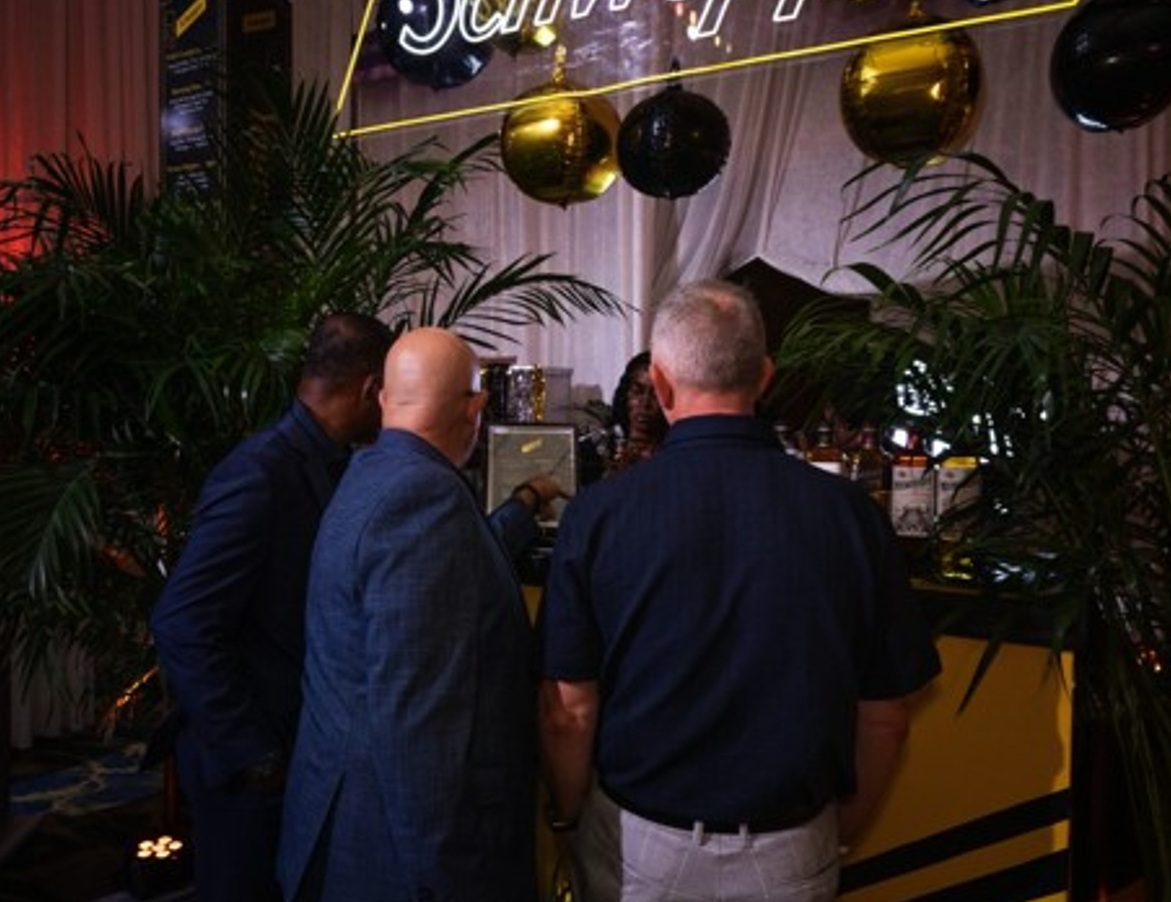
NASSAU, Bahamas — Schweppes, in collaboration with Nemiroff Vodka dazzled guests with handcrafted cocktails during Paradise Plates, Hands for Hunger’s annual fundraiser held at Atlantis’ Imperial Ballroom.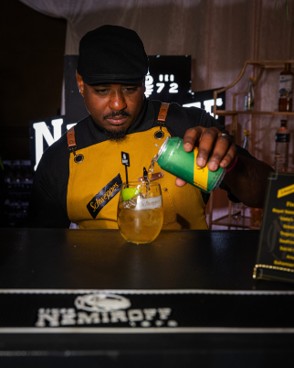
The evenings’ theme, 70’s: Paradise Disco, inspired bold and delicious sips from Schweppes and Nemiroff. The beautiful disco themed Schweppes booth, adorned with LED signs, lush greenery and hanging black and gold metallic orbs shined throughout the room.
Schweppes’ brand representatives and mixologists dressed in chic 70’s speakeasy attire engaged attendees throughout the night. Guests enjoyed receiving knowledge of each product and experiencing the vibrant energy of brand representatives.
Nemiroff Vodka, which is locally distributed by Caribbean Wines and Spirits (CWS), The Bahamas’ premier wines and spirits distributor; offered a unique variety of vodkas which made the perfect blend with Schweppes. Guests enjoyed, Nemiroff’s Honey Pepper, De Luxe, Burning Pear, Wild Cranberry, and Bold Orange vodkas throughout the night.
Fan favorite cocktails of the night were: the Wild Cranberry Tonic and the Bold Orange Fizz.
Following a positive response at Paradise Plates, CWS is offering Nemiroff and Schweppes specials at local liquor stores for the entire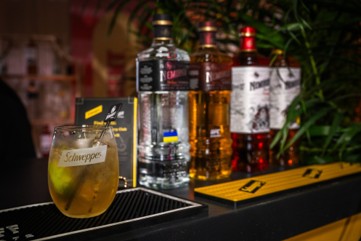 month. With the purchase of any 1-liter Nemiroff vodka, enjoy a complimentary three-pack of Schweppes mixers, to recreate the magic of Schweppes and Nemiroff.
Cara Douglas-Adderley, Senior Marketing Director for Caribbean Bottling (CBC), local producers and distributors of Coca-Cola and Dasani products and CWS shared the inspiration behind the Schweppes and Nemiroff promotion.
“We are thrilled to have paired Schweppes and Nemiroff for Paradise Plates this year, creating a premium cocktail experience for guests. After receiving such positive feedback, we wanted to extend that experience to consumers at home. Throughout October, consumers can visit their favorite watering hole, buy any 1-liter Nemiroff bottle and receive a free three-pack of Schweppes.”
Caribbean Bottling Company is proud to offer Schweppes, Coca-Cola’s premier mixer in collaboration with Caribbean Wines & Spirits and Nemiroff Vodka at Paradise Plates in support of Hands for Hunger’s mission.
For more information on CBC’s philanthropic work, new products and specials, visits www.cbcbahamas.com today.





-
 News1 week ago
Beaches Turks & Caicos gives Enid Capron Primary a pre-term facelift
-
 News1 week ago
Stakeholders Strengthen Collaboration on Housing and Informal Settlements at World Habitat Day Roundtable
-

 Independent writer6 days ago
Born Here, Raised Here, but Still Unable to Vote: Is this a Conundrum for TCI Electorate?
-
 Bahamas News1 day ago
Rosewood Exuma: A precedent-setting case for environmental law and future development in The Bahamas
-
 Bahamas News5 days ago
Monument Supports Hands for Hunger With Paradise Plates Debut
-

 Education1 week ago
TCICC Earns International Recognition at Ignition Community Conference 2026
-
 Bahamas News6 days ago
Schweppes ‘the Art of Mixology’ Dazzles at Paradise Plates with Nemiroff Vodka