
Bahamas News
BAHAMAS: Minister Dames Explains why Bill is not a ‘Spy Bill’

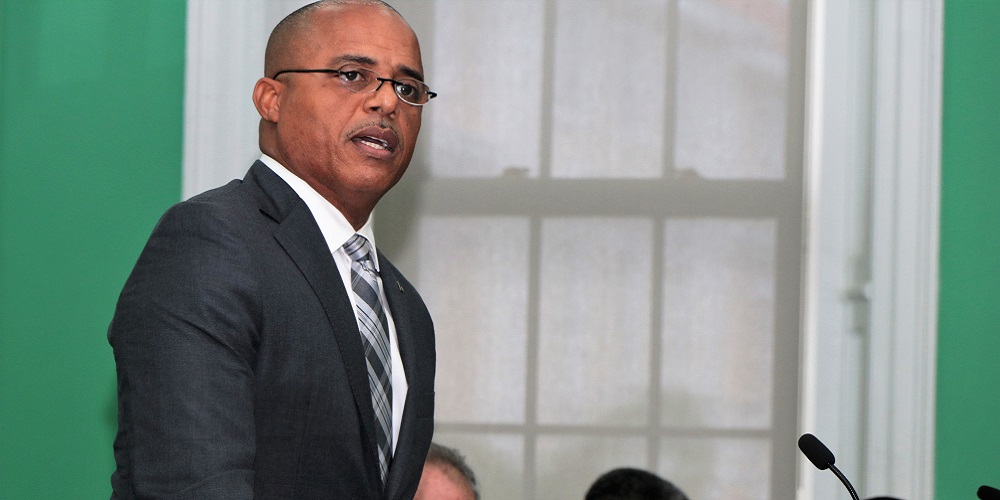
#Bahamas, April 30, 2018 – Nassau – While giving his contribution to the Interception of Communications Bill 2017, Minister of National Security the Hon. Marvin Dames termed it a comprehensive contemporary law to fight “sophisticated technologically savvy criminals and dismantle their criminal networks.”
“From the outset, let me dispel this ridiculousness of the Interception of Communications Bill being referred to as a ‘Spy Bill’,” Minister Dames said in the House of Assembly, on April 25, 2018. “For all within hearing distance of my voice, it is not and I will explain in my Contribution this morning.
“The word ‘spy’ connotes breaking the law and impinging upon the constitutional rights of an individual. The mere fact that we are in honourable House debating this very important Bill, represents an urgent need to send a clear message that this Government, is committed to adhering to the Constitution of The Commonwealth of The Bahamas and the rule of law and in no case assuming the posture of politics of disrespect and arrogance.”
Minister Dames pointed out that a responsible Government does not come to Parliament to inform its citizens and pass legislation only to ignore the very legislation it was responsible for bringing to Parliament.
“This does not make sense,” he stated. “The entire absurdity of the Interception of Communication Bill being referred to as a ‘Spy Bill’ needs to be put to a perpetual rest.”
Minister Dames said that the Interception of Communication Bill was timely and pertinent to The Bahamas’ national security and well-being as a nation. He added that the foremost aim of the Bill was to thwart any and all national security threats to Bahamian citizens, residents and visitors.
“This Bill is a vital tool to assist in our crime fighting strategies, particularly in combating drug, human, and gun trafficking, gang violence, cyber crimes and other forms of transnational organised crimes,” Minister Dames said. “Without legislation such as this one, law enforcement agencies will be severely handicapped and disadvantaged in their attempts to detect, collect, analyse, investigate and prosecute associated crimes in a world where technology related platforms have become the preferred means of communications across the globe especially for organised crime organisations.

“Therefore, the question, we must now ask ourselves, ‘Who do we prefer to have the upper hand, organised crime groups or the men and women in law enforcement who have taken an oath to protect us all?’.”
Minister Dames noted that the Bill sought to provide a single legal framework within which the interception of all communications on public and private systems would be authorized inclusive of public telecommunication operators and Internet providers. The Bill, he added, provides for the interception of communication carried wholly or partly by wireless telegraphy and also covers all mail handling systems including parcel and courier services.
“This Bill further provides for the use of certain devices for listening to private conversations,” he said. The Bill, once passed, will come into operation on a day decided by the National Security Minister and it will be publicly announced.”
Minister Dames noted that the word communication, as defined in Section 2 of the Bill, included anything transmitted by means of a postal service, including a postal article; anything comprising speech, music, sounds, visual images or data of any description; and signals serving either for [impart] of anything between persons, between a person and a thing or between things or for the actuation or control of any apparatus.
Intercept or Interception, as defined in the same section of the Bill Section, he added, included aural or other acquisition of the contents of any communication through the use of any means, including an interception device, so as to make some or all of the contents of a communication available to a person other than the sender or recipient or intended recipient of that communication; monitoring of a communication by means of a monitoring device; viewing, examining or inspecting of the contents of any communication and diverting of any communication from its intended destination to any other destination.

Minister Dames stated that, in the last two decades, information and communication technologies (ICTs) have continued to advance, thus highlighting the critical need for the collection of data to be used as a fuel to protect and enhance national security interests.
“The smartphone, which can be referred to as one’s most personal computer, is owned by approximately 2.5 billion of the world’s population, according to Statista, a leading provider of consumer data,” he said. “The Pew Research Center, a nonpartisan fact tank, found in a recent study an estimated 95 percent of all Americans owned cellphones; nearly three quarters of American adults own desktops or laptops; half of the adult population own tablets and around one in five own e-readers.
“I suspect that the use of ICTs in The Bahamas is widespread,” he added. “With this ever increasing use of communication gadgets and its rapid evolution, it is imperative that legislation allow law enforcement to keep pace with changing technology and prevent criminals from abusing communication devices to commit offences.”
That, Minister Dames said, was the crux of the Bill: the necessity for law enforcement to address dangers posed by criminals using advanced technologies such as newer encrypted forms of Internet-based communications,inclusive of computers, Ipads, smartphones and other similar instruments.
“I can speak of personal experiences in which police acting on intelligence pursued criminal networks in this country and in doing so, it was not uncommon for criminal groups to have had multiple disposable prepaid phones which they were able to quickly discard so as to evade detection,” Minister Dames said. “This ‘modus operandi’ is nothing new and will only increase in occurrences.”
“As such, we have to equip our law enforcement agencies with the applicable legislative tools to remain relevant and collect the necessary investigative information by way of modern platforms for the sole purpose of protecting the local as well national security interests of the people they have sworn to protect,” he added.
By Eric Rose


The Bahamas, August 27, 2026 – The Royal Bahamas Police Force wishes to inform members of the public that several individuals are scheduled to appear before the Magistrate’s Court on Thursday, 27th August 2026, at 12:00 noon.
The individuals and charges are as follows:
An 18-year-old female is scheduled to be arraigned on the following charges:
Three (3) counts of Murder
Three (3) counts of Attempted Murder
Three (3) counts of Possession of a Firearm with Intent to Endanger Life
Three (3) counts of Possession of an Unlicensed Firearm
Two (2) counts of Possession of Ammunition
Armed Robbery
Abetment to Armed Robbery
Stealing
Receiving
The charges stem from three separate shooting incidents and an armed robbery that occurred on Friday, 21st August 2026, and Saturday, 22nd August 2026.
The first shooting occurred in the area of Soldier Road and Baillou Hill Road, resulting in the death of a 51-year-old male.
The second shooting occurred in the area of Joe Farrington Road, resulting in the death of a 52-year-old male.
The third shooting occurred in the area of Gladstone Road, resulting in the death of a 36-year-old male.
The armed robbery occurred at a business establishment in the area of Carmichael Road and Baillou Hill Road.
A 21-year-old male is scheduled to be arraigned on one charge of:
- Murder
The charge stems from a shooting incident that occurred on Tuesday, 21st July 2026, in the area of Samson Street, Nassau Village, which resulted in the death of a 28-year-old male.
A 32-year-old male is scheduled to be arraigned on the following charges:
- Murder
- Attempted Murder
These charges stem from a shooting incident that occurred on Wednesday, 24th December 2025, in the area of Graham Drive, Yellow Elder, which resulted in the death of a 25-year-old male.
RBPF, PACD
Bahamas News
Bahama Brass Band Invitation Sparks Heritage Debate Ahead of TCI Constitutional Holiday
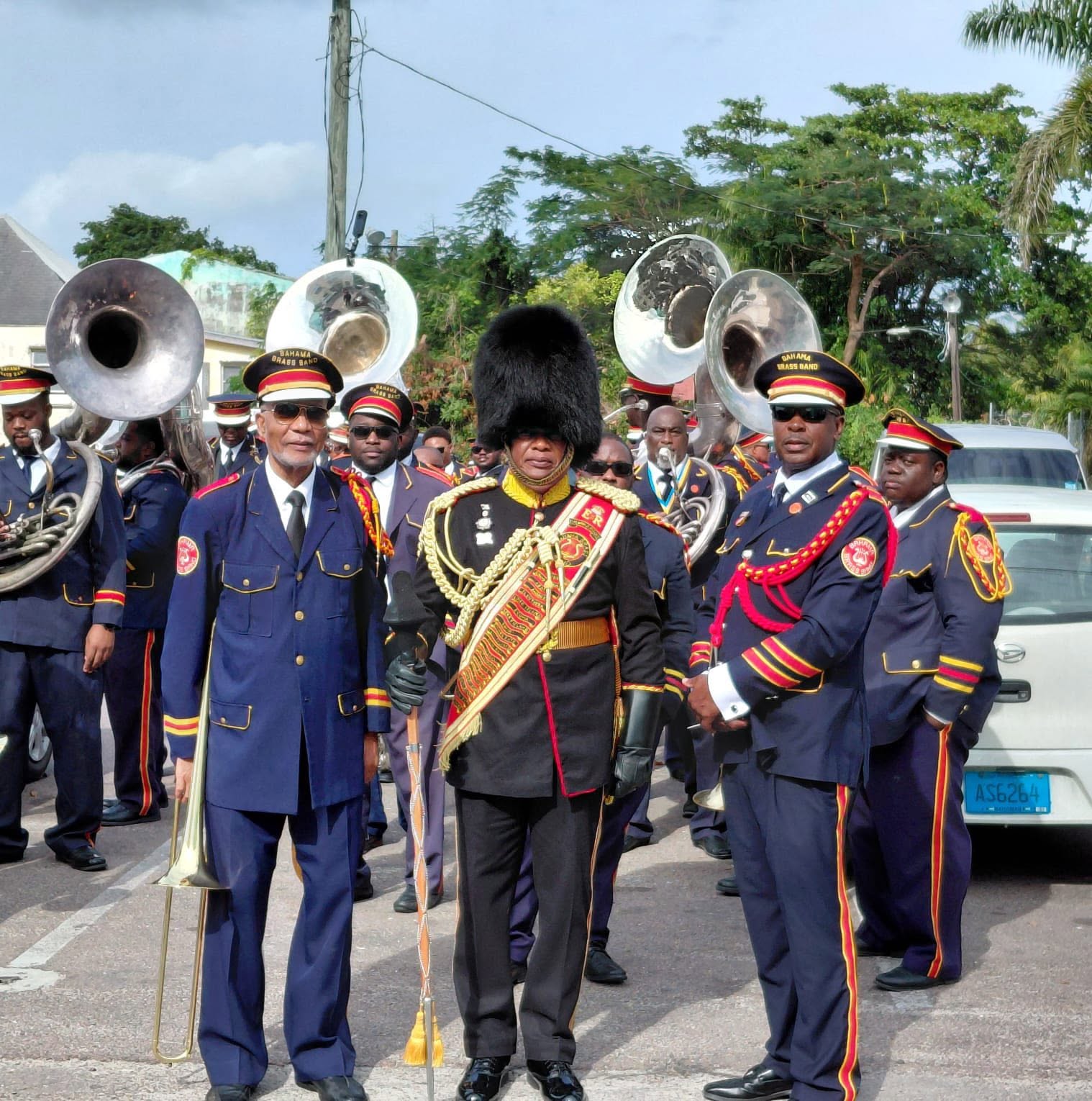
Turks and Caicos, August 20, 2026 – The planned participation of the Bahama Brass Band in the Turks and Caicos Islands’ inaugural Constitutional Holiday celebrations on August 30 has sparked public debate over culture, heritage and the historical contributions of Turks and Caicos Islanders abroad.
Organizers defended the invitation, saying the band’s inclusion is intended to highlight the deep historical ties between the two countries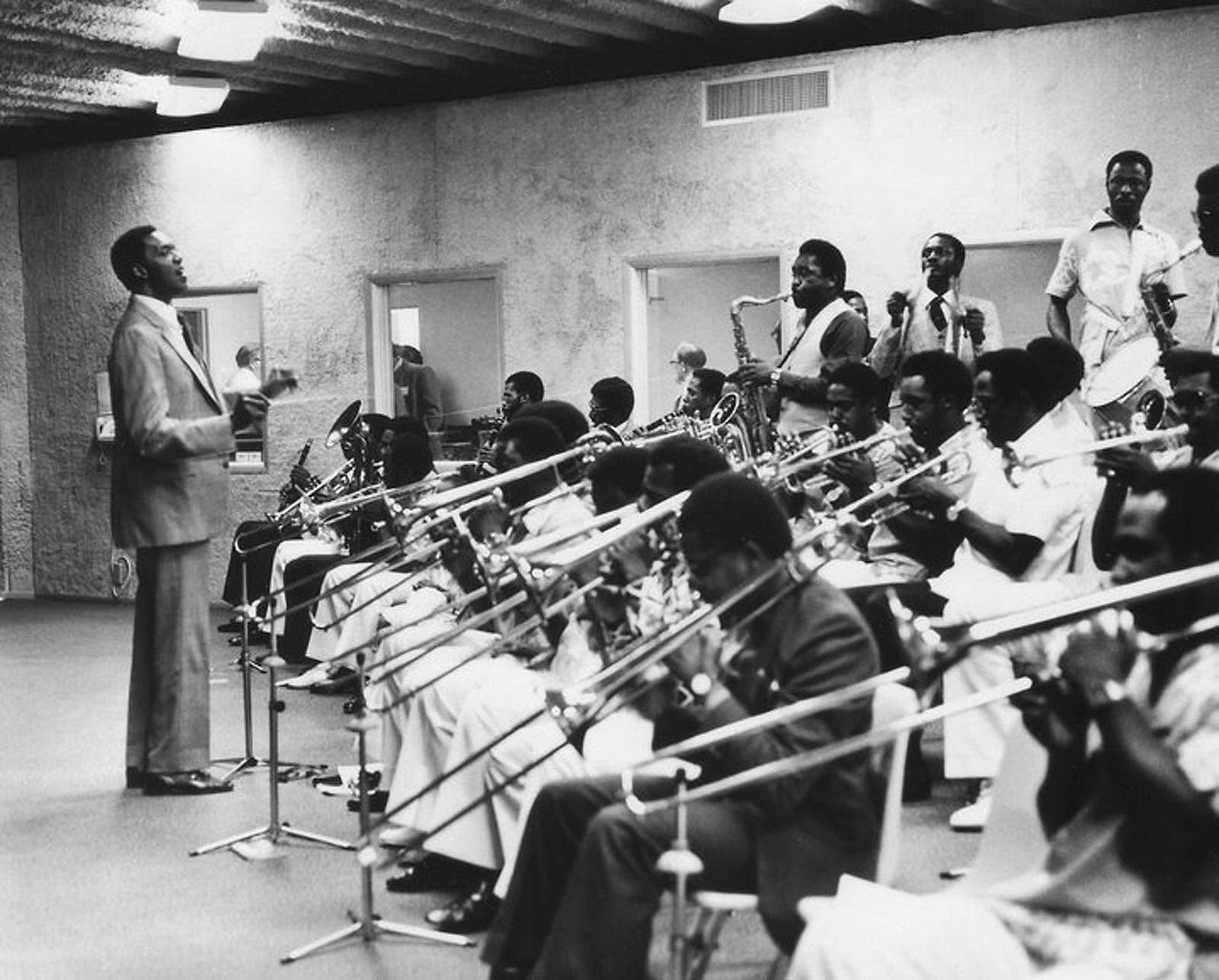 and honor Turks and Caicos men who helped establish and develop the institution in Grand Bahama.
According to the organizers, the Bahama Brass Band began in 1955 in Pine Ridge, Freeport, with Turks and Caicos Islanders, including the late Deacon Reuben Hall Sr. of Middle Caicos and Jenkins Williams and Mervin Hendfield of North Caicos, among those who helped build its foundation. The band eventually grew to more than 50 men.
The organizers also pointed to the participation of Turks and Caicos men in The Bahamas’ Independence celebrations on July 10, 1973, arguing that their contributions became part of Bahamian history while maintaining strong connections to their homeland.
Supporters say bringing the band home represents an opportunity to honor those pioneers, showcase their regional influence and expose younger generations to an important part of Turks and Caicos history.
However, concerns raised publicly described the invitation as potentially disrespectful to local culture and heritage. Organizers acknowledged those concerns, apologizing to anyone who felt overlooked or offended, while maintaining that no disrespect was intended.
The committee said the event should ultimately unite rather than divide, presenting the band’s history as evidence of the reach and resilience of Turks and Caicos heritage.
PHOTO CREDIT: Bahamas Brass Band
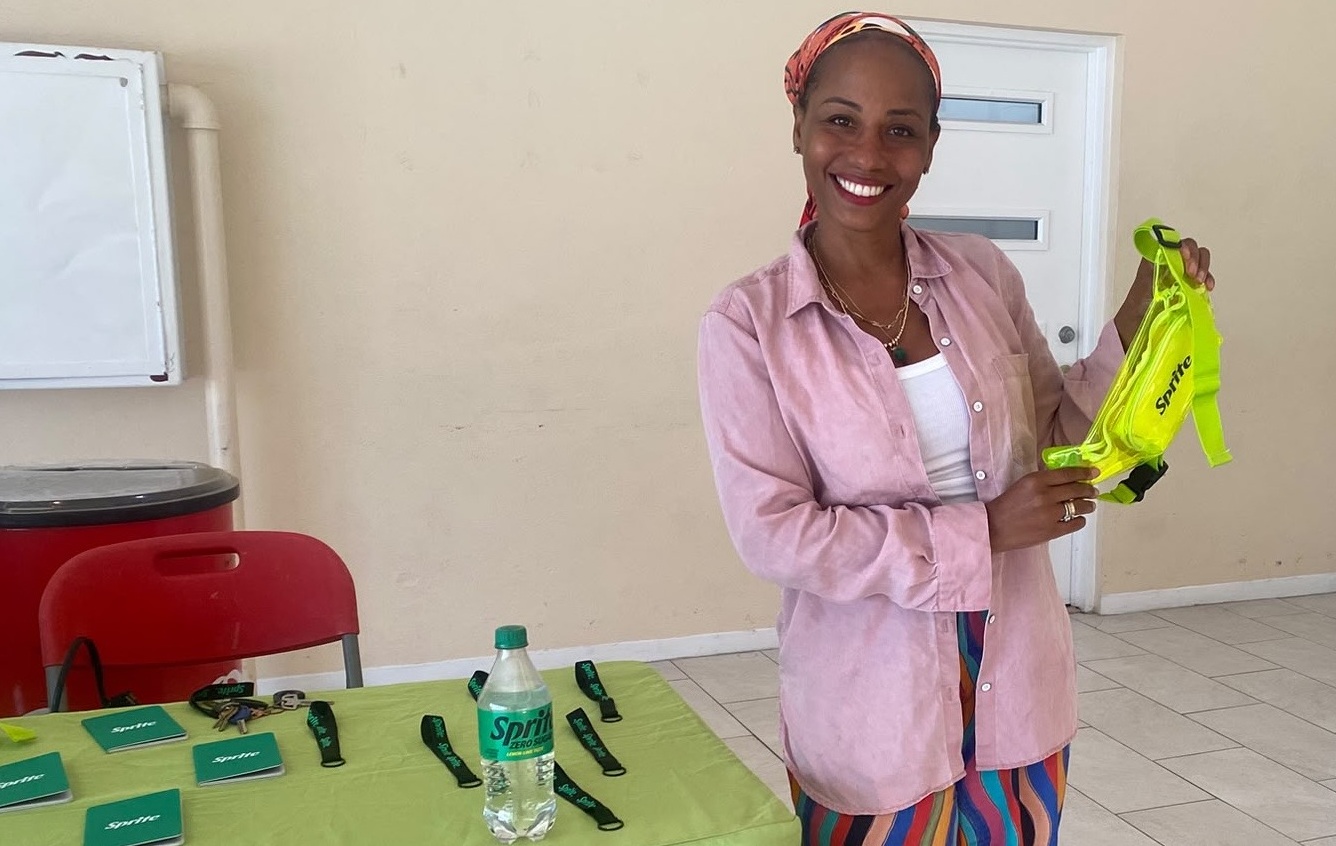
NASSAU, Bahamas — Caribbean Bottling Company (CBC), local producers of Dasani products, proudly sponsored the fifth annual, Caribbean Hoopfest.
The tournament brings together Bahamian high school basketball teams and visiting teams from the United States for a competitive showcase at the Kendal G. L. Isaacs Gymnasium. Following its inaugural year at the Kendal G. L. Isaacs gym and last year’s event at Loyola Hall, the tournament returned to the Kendal G. L. Isaacs gym this year.
During the weekend tournament, CBC kept athletes well hydrated with in-kind donations of Dasani Water, Powerade and Minute Maid Juices.
During the tournament’s final day, CBC provided additional support by offering Sprite No Sugar samples and inviting attendees to participate in its Spin the Wheel for a chance to win exciting prizes.
CBC was proud to support this incredible event, which provides young Bahamian athletes with valuable exposure to U.S. basketball scouts and coaches. This opportunity gives them the chance to earn scholarships, continue their education, and pursue their basketball careers in the United States.
Event organizer, Donald Francois shared his appreciation for CBC’s support.
“I want to express our sincere appreciation for Caribbean Bottling Company, who has been a tremendous supporter and an important part of the success of our program. Without CBC’s support, Caribbean Hoop Fest would not be able to function at the level it does today. And without Caribbean Hoop Fest, we would not have been able to provide the opportunities that have helped young Bahamian athletes gain exposure and pursue educational opportunities in the United States,” he expressed.
Since the program’s inception, several Bahamian student-athletes have been selected for scholarship opportunities, highlighting the tournament’s growing impact on the development and advancement of young basketball talent in The Bahamas.
They are: Kelvin McDowells – Guard, Wodson Antoine – Power Forward, Justin Lafleur – Guard and Sean John – Guard.
After another successful edition of the tournament, Francois shared what he hopes he and Caribbean Bottling Company can achieve in the future.
“Our vision is bigger than basketball. We want to use the platform of Caribbean Hoop Fest to educate, develop, and create opportunities for young people and their families throughout the Bahamas. With individuals and organizations committed to our mission, we believe we can continue to grow the program and make an even greater impact,” Francois said.
For more details on community support, events and new products visit Caribbean Bottling Company at www.cbcbahamas.com today.





-

 Education1 week ago
Department of Education Concludes Four-Day TCI National Standards Secondary School Curriculum Implementation Training
-

 Independent writer6 days ago
Fifty Years of Ministerial Government: Honouring Our Past, Embracing Our Present and Preparing for Our Destiny
-
 News1 week ago
UNDER 40 DAYS: COMMITTEE FORMED—BUT WHO IS ON IT?
-

 Health5 days ago
Know the Possible Warning Signs of Prostate Cancer
-

 News1 week ago
Invest TCI Brings Entrepreneurs and Bankers to the Table
-

 News3 days ago
Liberty Business launches in Turks and Caicos Islands
-
 Education3 days ago
TCI Schools Invited to Participate in 2026 National Student Council Election