
News
Masquerading Festive Parade held on Grand Turk

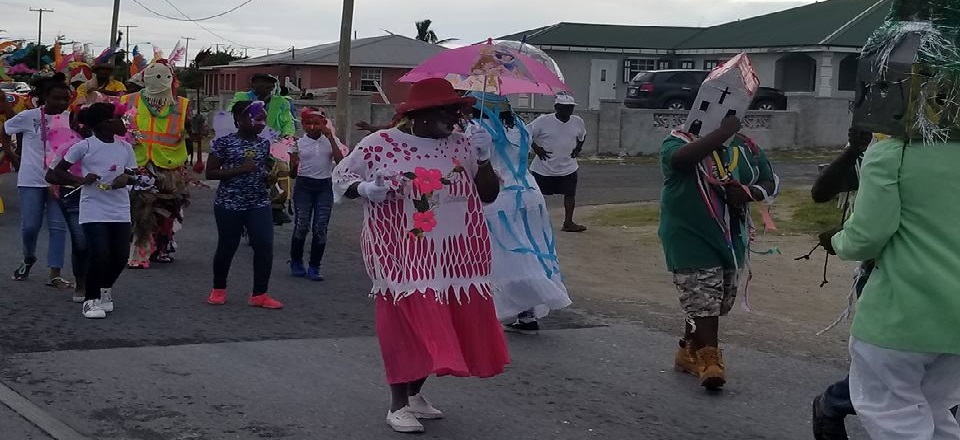
#TurksandCaicos, January 5, 2017 – Grand Turk – The Masquerading Committee, the brainchild of Ms. Valerie Jennings and President, Mr. Valentino Selver 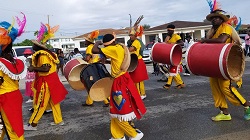 Jr. and member express sincere thanks to all the sponsors, participants, and the entire community of Grand Turk, for making its first annual New Year’s Day Masquerading Festival Parade, held on January 1, 2018, a great success.
After a sudden downpour of rain, the Masqueraders and the local ripsaw band “rushed” the streets, led by Mr. Cushy Alice/Ellis, who did an excellent job of leading the parade from the Lester Williams Park, South Back Salina to the Clock Tower, Downtown. In tote, were the local ripsaw band, followed by participants and next by the famous “We Funk” Junkanoo band led by the man himself, the TCI king of Junkanoo, Mr. Ketch Penn.
The sweet, sweet sounds of the music of both groups drew hundreds of spectators, including residents and tourists alike, who stopped to view the parade, take pictures, dance, shake and rock with the music.
Other highlights of the parade were the masqueraders on bicycles – David Smith riding his bicycle doing short twists and turns; while Mr. Edgar Jennings walked his colourful bicycle displaying TCI flags along each side; and Mr. Kingsley Francis masquerading on his horse.

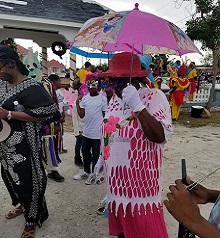
Also among the many participants was Mrs. Doris (Dar) Williams, wife of the last oldest Masquerader and Grand Turk’s famous rip saw band, Mr. Edgar Williams (who himself unfortunately could not made it out to attend the event). There were also a few of the community’s elderly ladies in attendance, such as Mrs. Iris Penn, Mrs. Irene Astwood, Mrs. Winifred Jennings and Mrs. Helena Williams who enjoyed telling stories about the Masses of the olden days, as they swayed to the music and enjoyed the celebration.
The parade ending at the Clock Tower where there was a brief ceremony, called to order by the Vice President of the Masquerading Committee, Ms. Valerie Jennings, to thank all participants and to crown winners as follows:
Senior King of Masses – Mr. Stanley Symonnette
Senior Queen of Masses – Mrs. Veronica Williams
King of Masses – Mr. Carl Williams
Queen of Masses – Ms. Maria Rigby
Prince of Masses – Mr. Valentino Selver Jr.
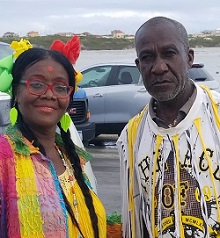 Princess of Masses – Miss Valjonique Selver
Other winners included:
Best Masquerader Dancing with a House on the Head – Mr. Thomas (Mellie) Simms
Best Rip Saw Band (which was led by Mr. William (Brer Doggie) Robinson
Best Female Costume – Ms. Maria Rigby
Best Male Costume – Mr. Carl Williams of North Back Salina
Best Masquerader on Horse Back – Mr. Kingsley Francis
Best Poorest & Original Costume – Mr. Terrence (MacGyver) Taylor
The Butterflies – representing the island of Grand Turk
Masquerader Ms. Kathleen Simms – representing the island of Salt Cay
Masqueraders Ms. Flossie Williams and her daughter Angela – representing the settlement of Palm Grove
Masquerader Mr. Greg Astwood – representing the settlement of Over Back
Band Leader, Mr. Walter (Cushy) Ellis and Mr. Carl Williams – representing the settlement of North Back Salina
Masquerader Mr. Stanley (Coot) Carter and Company – representing the settlement of West Road.
Masquerader Mr. Thomas (Mellie) Simms – representing the settlement of South Back Salina.
Masqueraders for South Caicos and the Special Needs groups were unable to attend due to unforeseen circumstances.
Everyone seemed to have a good time and happy to welcome back the return to Masses. Many said that they were “very impressed”, “loved it” and that it was “off to a good start”. Mrs. Lynn Missick-James, was the first spectator to arrive at the parade and helped to provide some of the stuff for the participants with words of encouragement. Mr. Alton Higgs, another one of TCI’s cultural legends, shouted from a passing car “Keep the culture going!”. Another spectator, Mrs. Jane Williams from Salt Cay commended the parade in saying that it was a great way of bringing the community together.
We will continue to celebrate as our ancestors did with the tattered clothing and houses on their heads and rip saw music. We are calling on all schools, churches, civic groups, and island and settlement groups to start preparing. Get your participants to learn from the elders in the community how to make costumes and how to dance with a house on your head. Get ready for Masquerade Festival Parade 2019. We promise you it will be bigger and better.
May God continue to bless us all as we seek to promote, preserve and display our beautiful traditions.

Special thanks to:
All members of our committee and others who stepped in to help in some form and encouraged us.
Mrs. Eunettie Glinton and her family
Mrs. Rita Gardiner
Ms. Danzella Jennings
Ms. Delphine Simons
Mr. Thomas Simms
Mr. Codeno Missick
Ms. Willis Williams
Mr. Walter Ellis
Mr. & Mr. Edgar Jennings
 Mrs. Tanya Taylor
Mrs. Tonya James
Mr. Edwin Dickenson
Mrs. Teresa Andrews
Mrs. Alice Williams
Mr. David Smith
Mr. Stanly Carter and company
Mr. Stanley Symonette
Mrs. Susan Astwood
Ms. Sharon Simons
Mr. Dan Williams
Mrs. Peach Caley
Mr. Alexander Swann
Mr. Ernest Clarke
Mrs. Veronica Williams
The Department of Tourism
The Department of Culture
Ministry of Tourism
Ministry of Health
Hon. Oswald Skippings
Mr. Arthur Lightbourne
Intercaribbean Airways
Radio Turks & Caicos
Press Release: Valerie Jennings

News
Invest TCI Strengthens Regional Investment Connections at Caribbean Investment Forum 2026 in Barbados
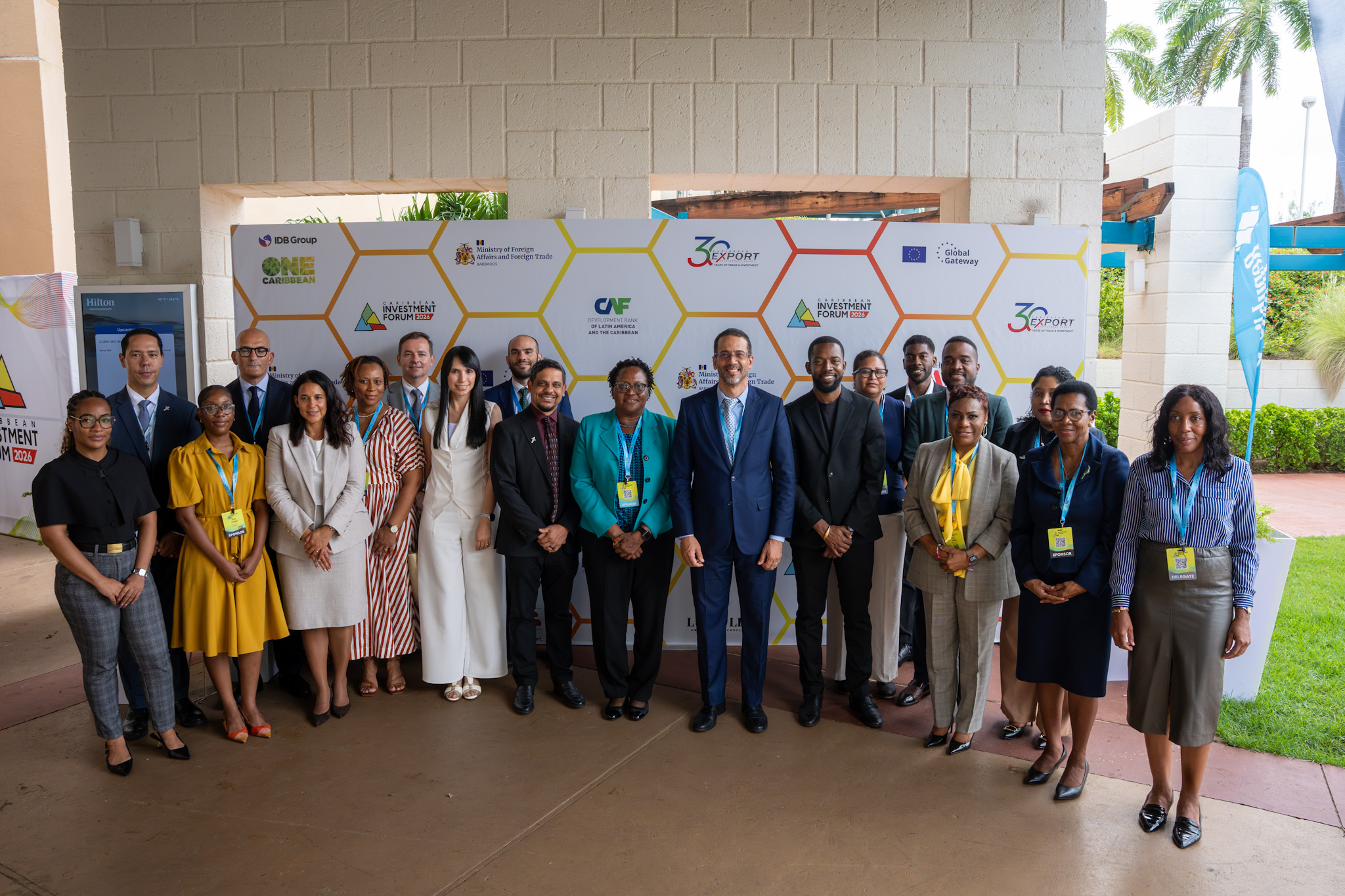
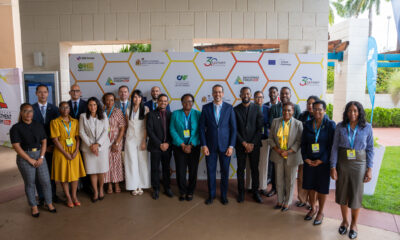
Providenciales, Turks and Caicos Islands – Monday, 19th October 2026: Invest Turks and Caicos Agency (Invest TCI) strengthened its regional presence at the Caribbean Investment Forum (CIF) 2026, held October 5 – 7, 2026, in Bridgetown, Barbados, participating as both a sponsor of the Forum and representative of the Turks and Caicos Islands’ investment landscape.
The Caribbean Investment Forum brought together regional and international investors, government representatives, business leaders,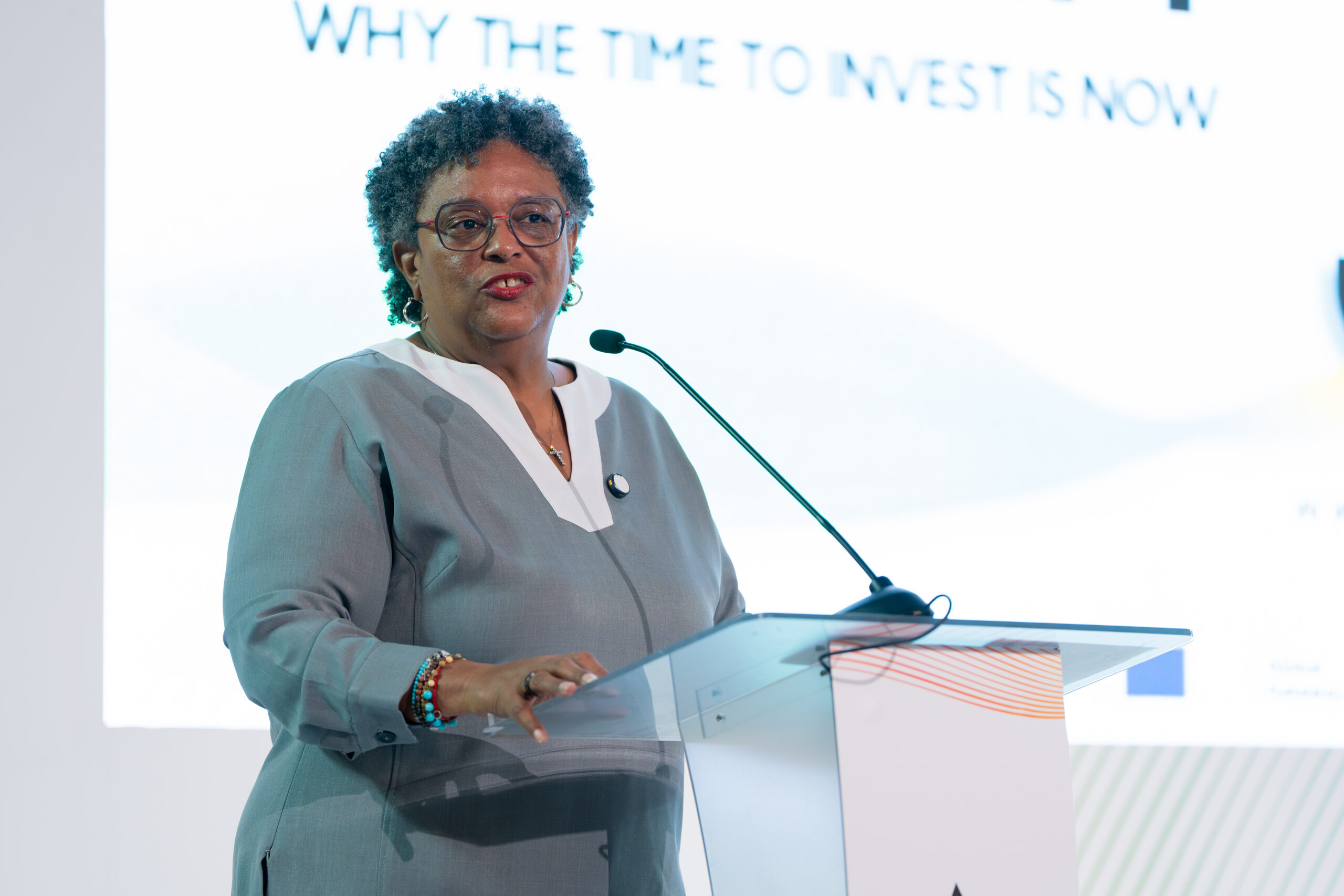 entrepreneurs, investment promotion agencies, and development partners to explore investment opportunities, strengthen partnerships, and advance sustainable economic development throughout the Caribbean.
The Agency’s sponsorship of CIF 2026 formed part of its continued commitment to strengthening the visibility of the Turks and Caicos Islands within the regional investment community and building relationships with investors, development partners, investment promotion agencies, and businesses across the Caribbean.
The opening of the Forum was attended by the Honourable Mia Amor Mottley, Prime Minister of Barbados, who emphasised the importance of scaling regional investment, strengthening economic cooperation, and transforming innovative ideas into commercially viable opportunities. Invest TCI was represented by Ms. Alexa Cooper, Domestic Investment Officer, and Mr. Hezron Henry, Marketing Support Officer. Throughout the Forum, the delegation engaged with stakeholders and promoted the Turks and Caicos Islands as a competitive investment destination while exploring opportunities for greater regional collaboration and knowledge exchange.
Speaking on her experience at the Forum, Ms. Alexa Cooper, Chief Domestic Investment Officer, said:
“CIF 2026 provided another valuable opportunity to engage with donor organisations, investors and Investment Promotion Agencies (IPAs) from across the Caribbean. A highlight for me was the introduction of an exclusive masterclass for fund managers, investors and support organisations, which offered practical insights into unlocking capital, strengthening investment ecosystems and supporting investment-ready businesses. I was equally impressed with the quality of projects pitched, which showcased the region’s innovation and investment potential. It was encouraging to see projects presented with a clearer understanding of investor expectations, reinforcing the importance of not simply developing projects, but ensuring they are well-structured, investment-ready and positioned to attract the right investment partners.”
Accompanying the Invest TCI delegation was Mr. Sean Penn, Chief Executive Officer of Sky Poultry Farm Ltd., the first commercial egg and poultry production facility in the Turks and Caicos Islands. Mr. Penn’s participation provided an opportunity to showcase the development of domestic enterprise within the Turks and Caicos Islands while highlighting the potential of agriculture and food production as part of the country’s broader economic diversification efforts.
Through his participation at CIF 2026, Mr. Penn had the opportunity to engage with regional stakeholders, gain exposure to developments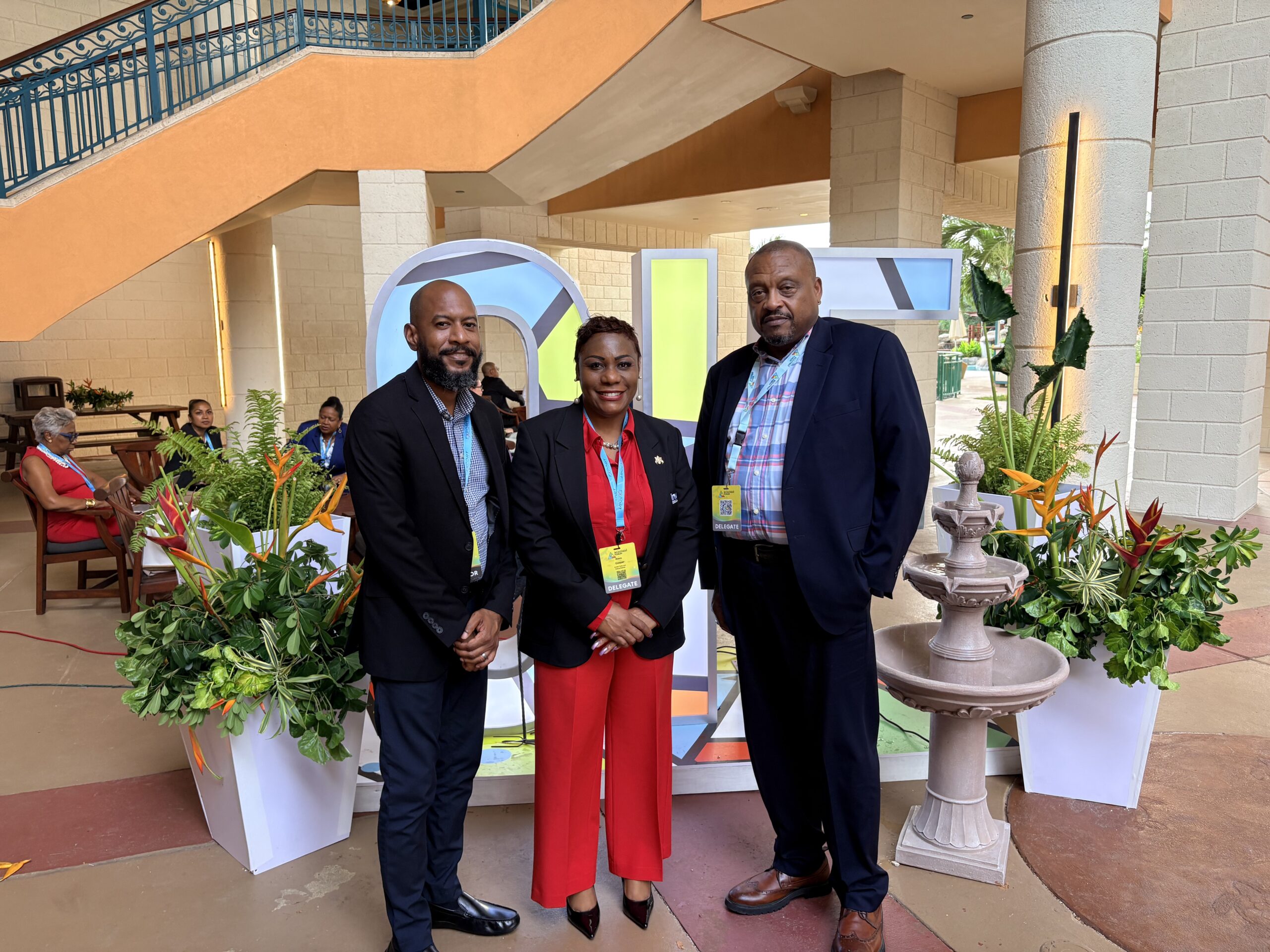 within the Caribbean agricultural sector, and explore potential partnerships and opportunities related to agricultural investment, innovation, and enterprise development.
For Invest TCI, the combination of sponsorship, investment promotion and local business representation provided a multifaceted platform to advance the Agency’s mandate. It allowed Invest TCI not only to promote the Turks and Caicos Islands to prospective investors but also to facilitate greater exposure for a local enterprise operating within an emerging sector of the economy. The Forum also provided opportunities for the Invest TCI delegation to exchange knowledge with regional counterparts, strengthen institutional relationships, and gain insight into investment trends and opportunities affecting Caribbean economies.
As the Caribbean Investment Forum continues to expand its regional reach, Santo Domingo, Dominican Republic, was announced as the destination for the next edition of the Forum, providing another opportunity to bring together investors, policymakers, investment promotion agencies and businesses from across the Caribbean and beyond.
Invest TCI looks forward to the continued growth of the Caribbean Investment Forum and the opportunities it creates to deepen regional partnerships, promote investment, and connect Caribbean businesses with new markets and sources of capital. The Agency remains committed to attracting sustainable investment, supporting domestic enterprise, encouraging economic diversification, and developing partnerships that contribute to the long-term economic development of the Turks and Caicos Islands.
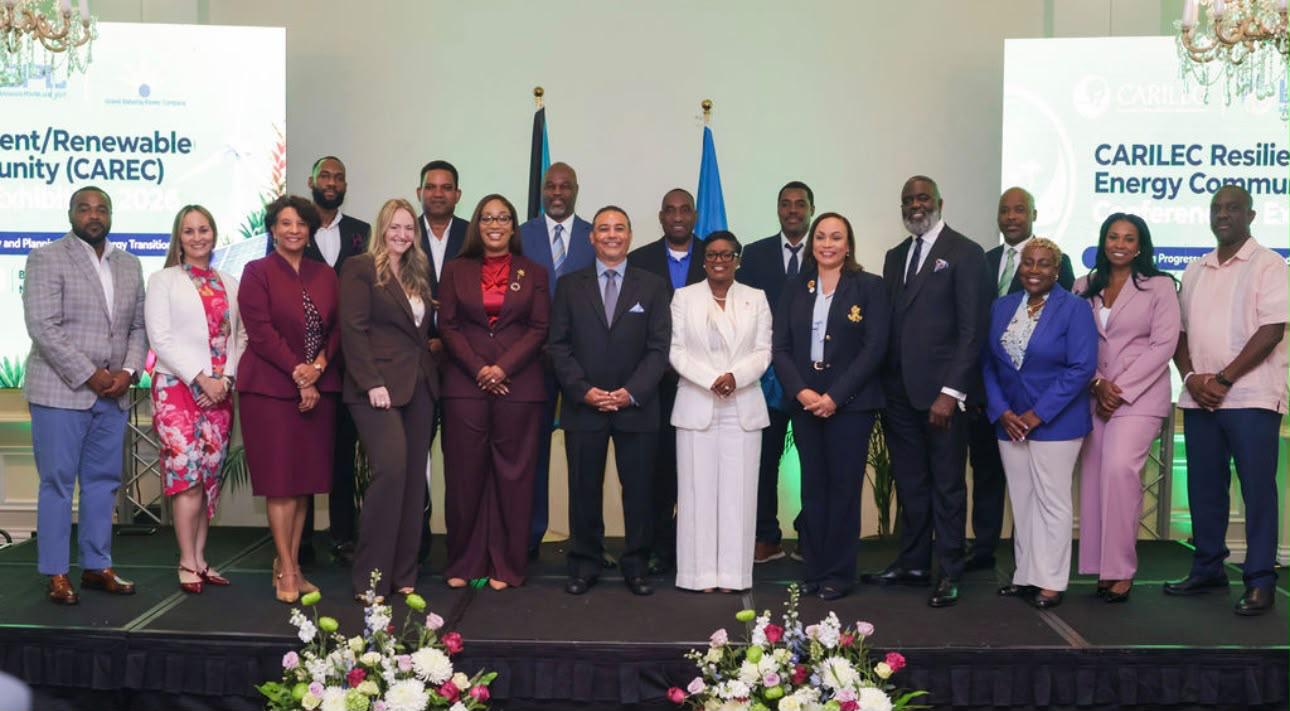
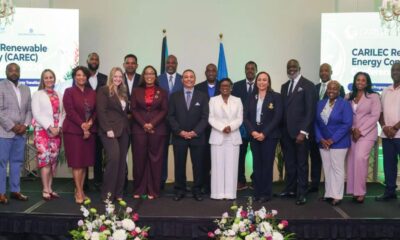
NASSAU, The Bahamas – The Bahamas’ Minister of Energy, Utilities and Aviation, The Honourable JoBeth Coleby-Davis, delivered an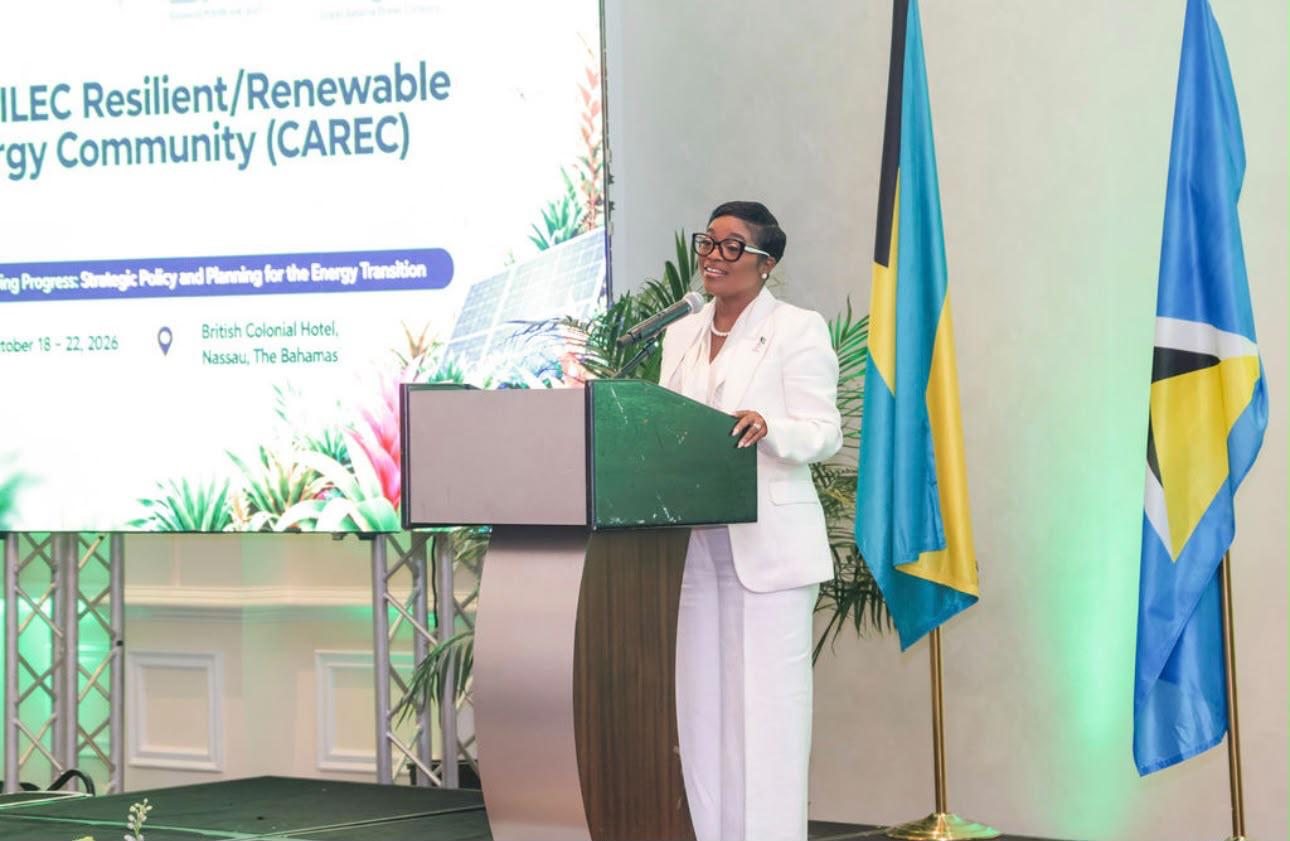 electrifying address during the opening ceremony of the 2026 CARILEC Resilient/Renewable Energy Community (CAREC) Conference and Exhibition, being held October 18–22, 2026, at the British Colonial Hotel in Nassau, The Bahamas.
Under the theme “Empowering Progress: Strategic Policy and Planning for the Energy Transition,” the event draws more than 200 industry leaders, policymakers, regulators, and energy professionals committed to advancing practical strategies for sustainable and reliable Caribbean power systems through renewable energy and emerging technologies.
During her address, titled “The New Energy Era: Transforming Policy into Progress,” Minister Coleby-Davis reminded attendees that The Bahamas’ national motto, “Forward, Upward, Onward, Together,” aptly describes what the region’s energy transition demands.
“Empowering Progress speaks directly to our national motto. Not waiting for progress, but creating the conditions that allow progress to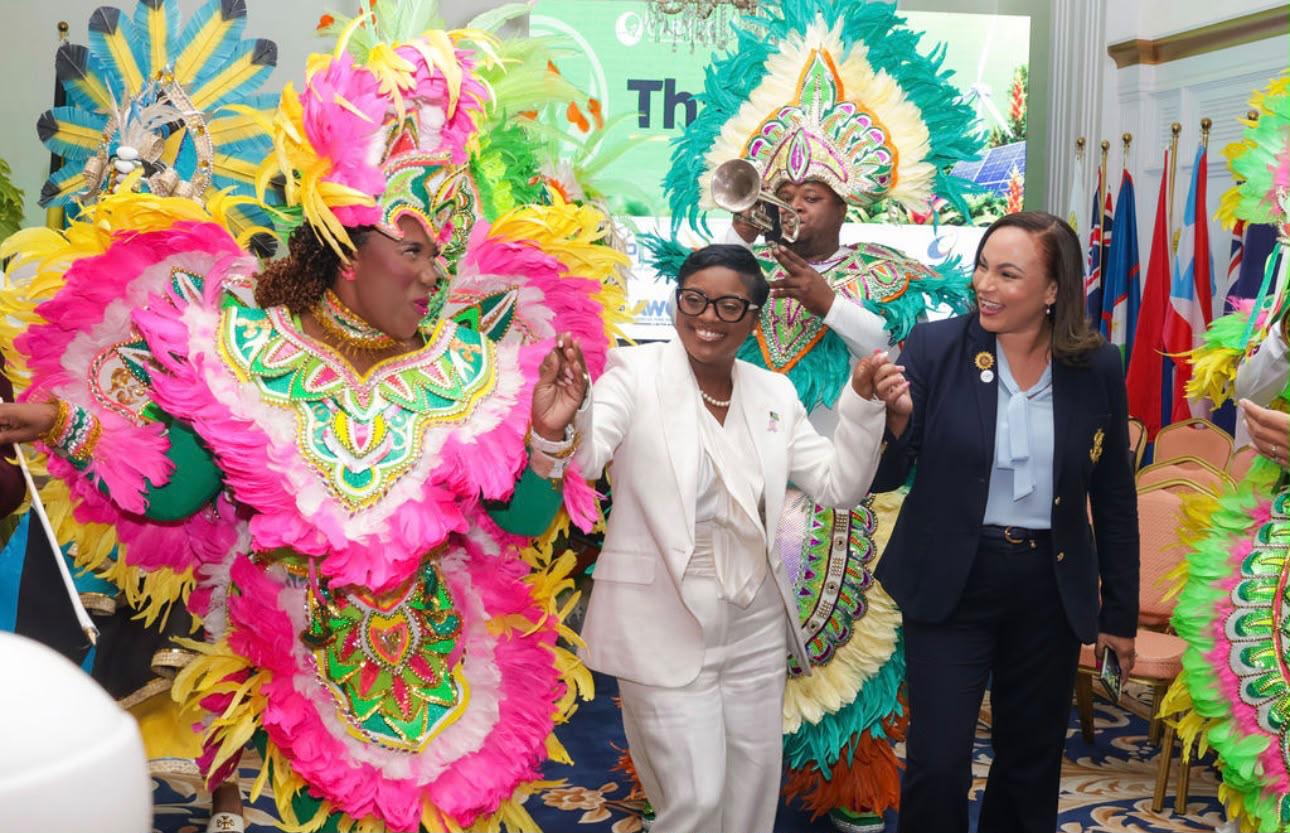 happen. Meaningful progress, however, does not occur by accident. It requires vision, sound policy, strategic planning, strong institutions, and the determination to turn decisions into results,” said Minister Coleby-Davis.
Participants acknowledged that small island developing states share similar pressures, compounded by geographical challenges, small electricity markets, ageing infrastructure, geopolitical influences, and the growing threat of severe weather.
Tasked with ushering in a new energy era across the islands while addressing the challenges posed by The Bahamas’ unique archipelagic composition, Minister Coleby-Davis said, “Every island needs a different answer, but the same logic. As an archipelagic nation, we must provide electricity across many islands, each with its own demand and infrastructure needs. Our strategy, therefore, must be national in direction, but responsive to individual communities.”
Restating her Ministry’s three core messages—that energy is an economic and security priority, technology must be viewed as a tool to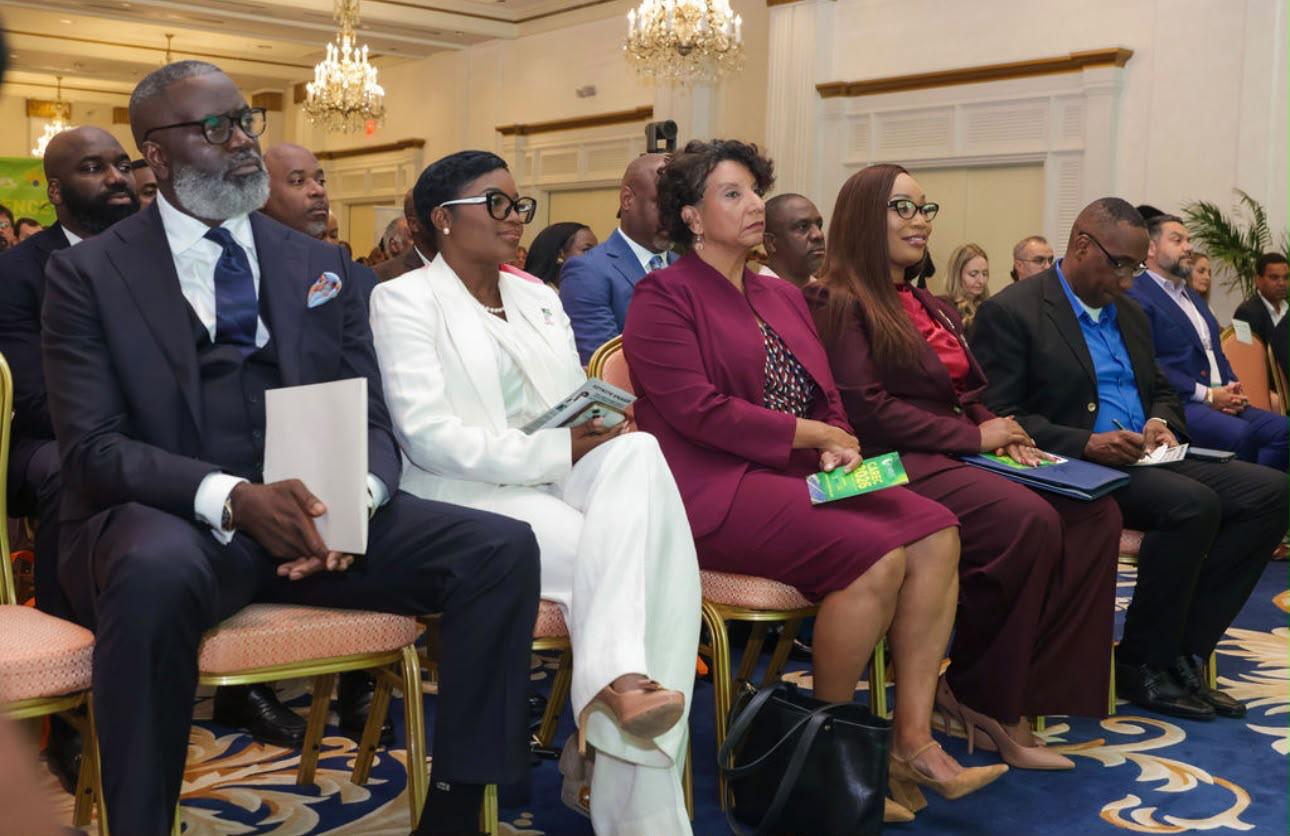 support strong institutional leadership, and natural gas should be considered a bridge, not a destination—Minister Coleby-Davis reiterated that “progress must now be reflected in functioning infrastructure, effective institutions, and better electricity services: from policy commitments to coordinated implementation, and from fragmented investment decisions to long-term planning.”
Organised by CARILEC and co-hosted by Bahamas Power and Light (BPL) and Grand Bahama Power Company (GBPC), the annual Conference and Exhibition brings together the Caribbean energy community to advance practical solutions to the region’s most pressing energy challenges and accelerate progress towards more resilient, reliable, and sustainable power systems.
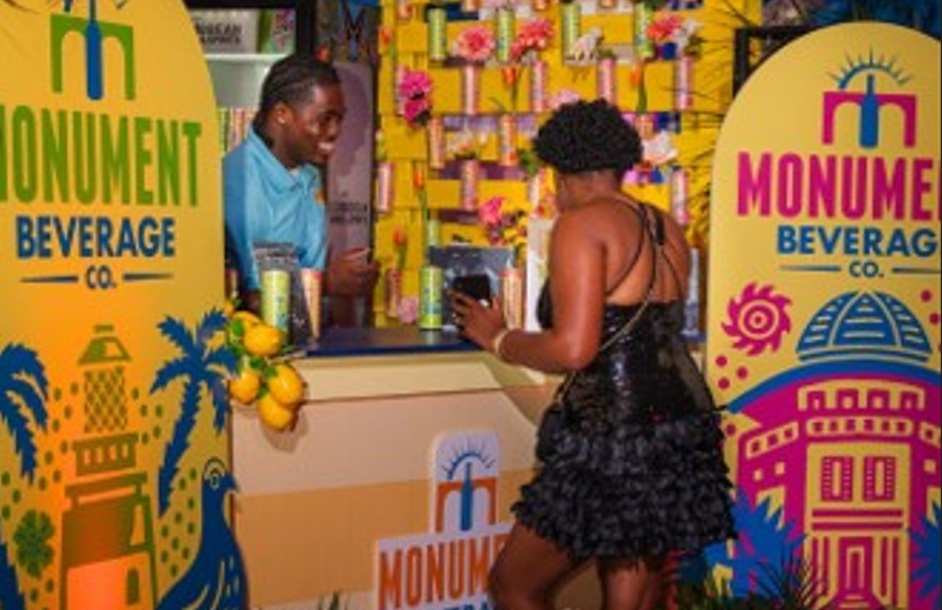
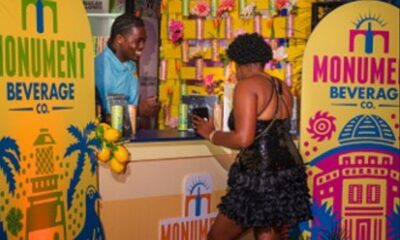
NASSAU, Bahamas — Caribbean Wines & Spirits (CWS), The Bahamas’ leading wine and spirits distributor, proudly supported Paradise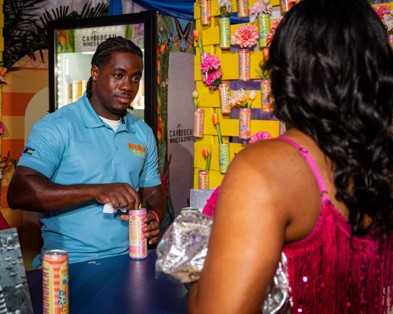 Plates, Hands for Hunger annual fundraiser with a flavorful offering of its newest product, Monument Beverage Co.
Monument, which launched this July and is available across six major islands, made its Paradise Plates debut. Guests enjoyed three bold flavors: Peach Passion, Ginger-Lime and Melon Fizz as they socialized throughout the evening.
Monument brand ambassadors engaged guests with knowledge on the ready-to-drink beverage’s unique taste and look. Many attendees were delighted to learn that Monument is 100% Bahamian-made and owned and enjoyed seeing the various national landmarks on the packaging.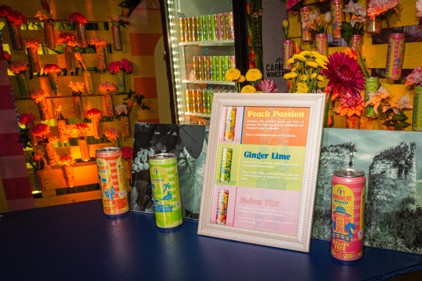
The booth was adorned with vibrant brand colors, striped arches, tropical florals and a photo worthy backdrop featuring Monument cans filled with florals cascading down the wall.
At the end of the event, the entire Monument inventory had finished, making Monument’s Paradise Plates debut a huge success.
For more details on Caribbean Wines & Spirits, new products and specials, visit www.cwsbahamas.com today.





-
 Independent writer1 week ago
Born Here, Raised Here, but Still Unable to Vote: Is this a Conundrum for TCI Electorate?
-
 Bahamas News3 days ago
Rosewood Exuma: A precedent-setting case for environmental law and future development in The Bahamas
-
 Bahamas News6 days ago
Monument Supports Hands for Hunger With Paradise Plates Debut
-
 Bahamas News1 week ago
Schweppes ‘the Art of Mixology’ Dazzles at Paradise Plates with Nemiroff Vodka
-
 Bahamas News2 days ago
Energy Minister Delivers Electrifying Keynote Opening Address at CAREC 2026
-
 News1 day ago
Invest TCI Strengthens Regional Investment Connections at Caribbean Investment Forum 2026 in Barbados